
يستخدم ملف الألومنيوم على نطاق واسع في مواد البناء، ومكونات التدفئة والتهوية وتكييف الهواء، وألواح الآلات، وأنظمة العزل، والتعبئة والتغليف، وأجزاء النقل، والعديد من التطبيقات الصناعية الأخرى. ومع ذلك، بالنسبة للمشترين، فإن اختيار ملف الألومنيوم المناسب لا يتعلق فقط بدرجة السبائك أو سمكها أو سعرها. تحدد جودة المعالجة أيضًا ما إذا كانت المادة يمكن أن تعمل بسلاسة على خطوط الإنتاج وتلبي متطلبات المنتج النهائي.
يمكن أن يسبب الملف ذو السُمك غير المستقر أو التسطيح الضعيف أو الحواف الخشنة أو الخدوش أو بقع الزيت أو اللف السائب مشاكل خطيرة أثناء الختم أو الثني أو تشكيل اللف أو الطلاء أو القطع. قد تؤدي هذه المشكلات إلى زيادة النفايات وإبطاء الإنتاج والتأثير على مظهر المنتجات النهائية أو أدائها.
يشرح هذا الدليل ما يجب أن يعرفه المشترون الصناعيون قبل شراء لفائف الألومنيوم. وهو يغطي اختيار السبائك، والمزاج، والتسامح، وجودة الحز، وتشطيب السطح، والتعبئة، والفحص، والتواصل مع الموردين، مما يساعد المشترين على اتخاذ قرارات أفضل لتلبية احتياجات الإنتاج على المدى الطويل.
جدول المحتويات
ما هي معالجة لفائف الألومنيوم؟
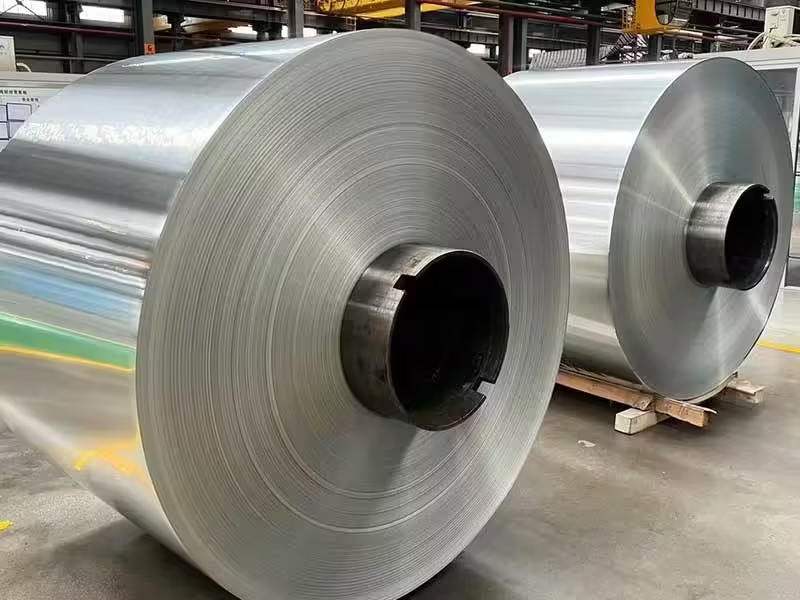
تشير معالجة لفائف الألومنيوم إلى خطوات الإنتاج والتشطيب المستخدمة لجعل لفائف الألومنيوم مناسبة للاستخدام الصناعي. قد تشمل هذه الخطوات الدرفلة، والتليين، والتسوية، والشق، والتشذيب، وتنظيف الأسطح، والطلاء، والمعالجة المقطوعة حسب الطول، والفحص، والتعبئة.
على عكس الصفائح المسطحة، يتم توفير ملف الألومنيوم في شكل ملفوف مستمر. وهذا يجعلها مناسبة لخطوط التصنيع الآلية حيث تحتاج المواد إلى التغذية في الآلات بشكل مستمر. على سبيل المثال، قد يستخدم المصنعون ملف الألومنيوم في معدات الختم، أو آلات تشكيل اللف، أو خطوط إنتاج الأسقف، أو إنتاج المواد العازلة، أو أنظمة الطلاء.
تساعد المعالجة الجيدة على ضمان أن يتمتع الملف بسمك ثابت وعرض دقيق وحواف نظيفة وخواص ميكانيكية مستقرة وحالة سطح تتوافق مع التطبيق النهائي. بالنسبة للمشترين الصناعيين، يعني هذا انقطاعات أقل في الإنتاج وجودة منتج أكثر قابلية للتنبؤ بها.
لماذا تعتبر جودة المعالجة مهمة
العديد من مشاكل لفائف الألومنيوم ليست واضحة للوهلة الأولى. قد يبدو الملف مقبولاً من الخارج، ولكن بمجرد دخوله مرحلة الإنتاج، يمكن أن تصبح العيوب الصغيرة مكلفة بسرعة.
إذا لم يتم التحكم في العرض بشكل جيد، فقد لا يتم تغذية الملف بشكل صحيح في المعدات الآلية. إذا كانت الحافة خشنة بعد الحز، فقد يؤدي ذلك إلى إتلاف الآلات أو خلق مخاطر على سلامة العمال. إذا كان السطح به خدوش أو علامات أكسدة، فقد تفشل اللوحة النهائية في الفحص البصري. إذا كان المزاج قاسيًا جدًا أو ناعمًا جدًا، فقد تتشقق المادة أو تتشوه أو تفشل في تلبية المتطلبات الهيكلية.
بالنسبة للمصنعين الذين يستخدمون لفائف الألومنيوم في الإنتاج المستمر، غالبًا ما يكون الاتساق أكثر أهمية من اختيار أقل سعر. تساعد جودة المعالجة المستقرة على تقليل الخردة وتحسين أداء التشكيل وحماية المعدات النهائية والحفاظ على جداول الإنتاج تحت السيطرة.
سبائك وتطبيقات لفائف الألومنيوم الشائعة
يتم اختيار سبائك الألومنيوم المختلفة وفقًا للقوة وقابلية التشكيل ومقاومة التآكل ومتطلبات السطح وطريقة المعالجة. يساعد اختيار السبيكة المناسبة المشترين على تجنب مشاكل الإنتاج غير الضرورية.
| سبائك الألومنيوم | الخصائص الرئيسية | التطبيقات الشائعة | ملاحظات الشراء |
|---|---|---|---|
| 1060 | نقاء عالي للألمنيوم، قابلية تشكيل ممتازة، موصلية جيدة | الأجزاء الكهربائية، طبقات العزل، اللافتات، معالجة الألواح العامة | مناسبة للتطبيقات التي تحتاج إلى سهولة التشكيل أو التوصيل |
| 1100 | مقاومة جيدة للتآكل وقابلية التشغيل | أجزاء التبادل الحراري، والألواح الزخرفية، والمعدات المتعلقة بالأغذية | خيار عملي عندما لا تكون متطلبات القوة عالية |
| 3003 | قوة أفضل من 1100 مع أداء تشكيل جيد | التسقيف، ألواح الجدران، أجزاء التدفئة والتهوية وتكييف الهواء، الخزانات، التصنيع العام | تستخدم عادة في الصفائح المعدنية ومواد البناء |
| 3004 | قوة جيدة وقابلية للتشكيل وأداء السطح | التعبئة والتغليف والألواح المطلية ومواد البناء | مناسبة للتطبيقات التي تتطلب جودة التشكيل والسطح |
| 5052 | مقاومة جيدة للتآكل وقوة التعب | الألواح الخارجية، قطع غيار المركبات، أغطية المعدات، الأجزاء المتعلقة بالبحرية | خيار أفضل للبيئات الرطبة أو المسببة للتآكل |
| 5083 | مقاومة عالية للتآكل وأداء ميكانيكي أقوى | الهياكل البحرية، قطع غيار النقل، الألواح الثقيلة | مناسبة للبيئات الصعبة |
| 5754 | مقاومة جيدة للتآكل وقابلية اللحام | ألواح السيارات والأرضيات ومكونات البناء | غالبا ما تستخدم في تطبيقات النقل والصفائح الهيكلية |
| 6061 | قوة جيدة وقابلية للتصنيع ومرونة المعالجة | ألواح الآلات، الأجزاء الهيكلية، المكونات المخصصة | مناسبة عندما يكون الأداء الميكانيكي أقوى مطلوبًا |
الخيار الأفضل يعتمد على الاستخدام النهائي. لا تحتاج لوحة الحائط المزخرفة إلى نفس ملف الألومنيوم الموجود في المكون البحري أو غطاء الماكينة. يجب على المشترين دائمًا ربط اختيار السبائك ببيئة العمل الحقيقية وطريقة المعالجة.
فهم المزاج قبل تقديم الطلب
تؤثر المزاج على الصلابة والقوة والليونة وسلوك الانحناء وأداء التشكيل. ولهذا السبب لا ينبغي للمشترين تأكيد السبيكة فحسب، بل يجب عليهم أيضًا التحقق من المزاج قبل الشراء.
عادةً ما يكون من الأسهل ثني المزاج الأكثر ليونة أو ختمه أو تشكيله. يوفر المزاج الأكثر صلابة صلابة أفضل ولكنه قد لا يكون مناسبًا للسحب العميق أو الانحناء الحاد. على سبيل المثال، قد يحتاج ملف الألومنيوم المستخدم في الألواح الزخرفية إلى التوازن بين التسطيح وقابلية التشكيل، بينما قد يتطلب الملف المستخدم في أجزاء الصفائح الهيكلية قوة أعلى.
تشمل ظروف المزاج الشائعة O وH14 وH24 وH32 وH34 وT6. كل حالة تغير كيفية تصرف المادة أثناء المعالجة. إذا تم اختيار درجة حرارة خاطئة، فقد يواجه المشتري التشقق، أو ضعف استقرار الشكل، أو انخفاض كفاءة الإنتاج.
للحصول على شراء دقيق، يجب أن يشمل الاستفسار كلاً من السبائك والمزاج. بدلاً من مجرد طلب ملف ألومنيوم “3003، يجب على المشتري تحديد درجة الحرارة والسمك والعرض وحالة السطح والتطبيق المطلوبة.
السماكة والتسامح العرض
إن تحمل السُمك والعرض لهما تأثير مباشر على استقرار الإنتاج. في التصنيع الآلي، حتى الاختلافات الصغيرة يمكن أن تؤثر على دقة التغذية، أو جودة التشكيل، أو توحيد الطلاء، أو أداء التجميع.
بالنسبة لملف الألومنيوم المستخدم في الختم، يساعد اتساق السُمك على التحكم في أبعاد الأجزاء. بالنسبة للملف المستخدم في تشكيل اللفائف، تساعد دقة العرض في الحفاظ على ملفات تعريف مستقرة. بالنسبة للمواد المطلية أو المصفحة، قد يؤثر السمك غير المتساوي على جودة السطح ومظهر المنتج النهائي.
يجب على المشترين التأكد مما إذا كان التسامح التجاري القياسي كافيًا أو ما إذا كان التسامح الأكثر صرامة مطلوبًا. قد تحتاج التطبيقات الدقيقة إلى تحكم أكثر صرامة، خاصة عند استخدام الملف في خطوط الإنتاج عالية السرعة أو المنتجات النهائية المرئية.
يجب أن تتضمن المواصفات الواضحة السُمك الاسمي، والعرض، والانحراف المقبول، والقطر الداخلي للملف، ونطاق وزن الملف، وحالة الحافة، وأي متطلبات تسطيح خاصة. كلما كانت المعلومات أكثر تفصيلاً، كان من الأسهل على المورد توفير المواد المناسبة.
جودة الحز والتحكم في الحواف
الحز هو عملية قطع ملف الألمنيوم العريض إلى ملفات أو شرائح أضيق. وهو مطلوب عادةً للختم وملحقات الأسقف ومواد التعبئة والتغليف والأجزاء الكهربائية والتطبيقات الأخرى التي تحتاج إلى عرض ملف محدد.
يجب أن ينتج عن الحز عالي الجودة عرض دقيق وحواف نظيفة وثقب منخفض ولف مستقر. يمكن أن يتسبب الحز السيئ في حواف خشنة أو موجات حافة أو خدوش أو ملفات فضفاضة أو شد شريطي غير متساوٍ. قد تؤثر هذه المشكلات على سلامة الإنتاج وتلف المعدات النهائية.
بالنسبة للمشترين، يجب أن تحظى جودة الحافة باهتمام خاص عند استخدام الملف في أنظمة التغذية الآلية. إذا كانت النتوءات كبيرة جدًا، فقد لا يعمل الملف بسلاسة. إذا كان اللف فضفاضًا جدًا، فقد تتغير المادة أثناء النقل أو الإنتاج.
عند طلب ملف الألومنيوم المشقوق، يجب على المشترين توصيل عرض الهدف، والتسامح، ومتطلبات الحافة، ووزن الملف، والقطر الداخلي، واتجاه اللف، وطريقة حماية السطح. بالنسبة للتطبيقات المرئية أو الزخرفية، تعتبر حماية السطح ذات أهمية خاصة.
معالجة القطع إلى الطول
بعض المشترين لا يستخدمون ملف الألومنيوم مباشرة. وبدلاً من ذلك، يحتاجون إلى معالجة الملف إلى صفائح مسطحة بأطوال محددة. وهذا ما يسمى المعالجة المقطوعة حسب الطول.
تُستخدم صفائح الألومنيوم المقطوعة حسب الطول بشكل شائع في أغطية الآلات، وألواح المعدات، ومواد السقف، واللافتات، وألواح الجدران، وأجزاء المركبات، والمرفقات الصناعية. يمكن لهذه الخدمة تقليل أعمال القطع اليدوية وتحسين الاتساق في الإنتاج النهائي.
يجب أن توفر المعالجة الجيدة للقطع حسب الطول طولًا دقيقًا للورقة، وحواف قطع نظيفة، وتسطيحًا جيدًا، وتغليفًا مناسبًا للمكدس. إذا لم تكن الصفائح مسطحة، فقد يكون من الصعب ثنيها أو لحامها أو تغطيتها أو تجميعها. إذا كانت الحواف خشنة، فقد تكون هناك حاجة إلى أعمال تشطيب إضافية.
بالنسبة للمشترين الذين يحتاجون إلى مواد صفائحية جاهزة للاستخدام، يمكن للمعالجة المقطوعة حسب الطول تحسين كفاءة الإنتاج وتقليل هدر المواد.
متطلبات تشطيب السطح
يعد تشطيب السطح أحد أهم العوامل عند استخدام ملف الألومنيوم للمنتجات المرئية. حتى الخدوش الصغيرة أو البقع أو علامات الأسطوانة أو بقع الأكسدة يمكن أن تؤثر على مظهر المنتج النهائي.
تشمل ظروف السطح الشائعة تشطيب المطحنة، والتشطيب المصقول، والتشطيب المؤكسد، والتشطيب المنقوش، والتشطيب المطلي، والتشطيب المحمي بالفيلم. تشطيب المطحنة مناسب للعديد من التطبيقات الصناعية العامة، في حين يتم اختيار الأسطح المصقولة أو المؤكسدة غالبًا للأجزاء الزخرفية. يستخدم ملف الألومنيوم المطلي على نطاق واسع في الأسقف والكسوة والأسقف ومواد البناء الخارجية.
تعتمد اللمسة النهائية الصحيحة للسطح على كيفية استخدام المادة بعد التسليم. إذا تم طلاء الملف أو طلاءه لاحقًا، فيجب أن يكون السطح نظيفًا بدرجة كافية للحصول على التصاق جيد. إذا تم استخدام الملف مباشرة كلوحة مرئية، فيجب على المشترين وضع متطلبات أكثر صرامة لجودة السطح.
بالنسبة لطلبات التصدير، قد تكون هناك حاجة إلى طبقة واقية أو عبوة محسنة لتقليل الخدوش أثناء النقل والمناولة.
لفائف الألمنيوم لمواد البناء والتشييد
يعد البناء أحد الأسواق الأكثر شيوعًا لملفات الألومنيوم. يتم استخدامه لألواح الأسقف وكسوة الجدران والأسقف والمزاريب والألواح الزخرفية وطبقات العزل ومكونات البناء الأخرى.
في هذه التطبيقات، يهتم المشترون عادةً بمقاومة التآكل، ومظهر السطح، وتوافق الطلاء، واستقرار السُمك، وأداء التشكيل. قد تتطلب منتجات البناء الخارجية أيضًا مقاومة أفضل للطقس وحماية أقوى للتغليف أثناء النقل.
بالنسبة للأسقف والكسوة، يجب أن يكون ملف الألومنيوم قادرًا على التشكيل بسلاسة دون تشقق. بالنسبة للألواح الزخرفية، يعد اتساق الألوان ونظافة السطح أمرًا مهمًا. بالنسبة لأنظمة العزل، قد يكون الأداء خفيف الوزن والمعالجة المرنة أكثر أهمية من القوة الميكانيكية العالية.
نظرًا لأن منتجات البناء غالبًا ما تكون مرئية بعد التثبيت، فلا ينبغي تجاهل جودة السطح والتعبئة.
لفائف الألومنيوم للتدفئة والتهوية وتكييف الهواء والتصنيع الصناعي
يستخدم ملف الألومنيوم أيضًا على نطاق واسع في أنظمة التدفئة والتهوية وتكييف الهواء والتصنيع الصناعي. يمكن معالجتها إلى قنوات وأغطية وزعانف ومواد عازلة وألواح معدات وأجزاء مشكلة.
بالنسبة لتطبيقات التدفئة والتهوية وتكييف الهواء، يساعد السُمك المستقر والسطح النظيف وقابلية التشكيل الجيدة على تحسين كفاءة الإنتاج. بالنسبة لألواح الآلات أو أغطية المعدات، قد يحتاج المشترون إلى تسطيح أفضل أو أداء ميكانيكي أقوى أو تشطيب سطح محدد.
غالبًا ما يتضمن التصنيع الصناعي القطع والثني والتثقيب والطلاء. وهذا يعني أن الملف يجب أن يتوافق مع كل من المعدات ومتطلبات المنتج النهائي. الملف الذي يعمل بشكل جيد لأحد المصانع قد لا يعمل بشكل جيد لمصنع آخر إذا كانت أجهزته أو أدواته أو معايير إنتاجه مختلفة.
يجب على المشترين تزويد المورد بتفاصيل التطبيق الكافية بدلاً من الاعتماد فقط على السبائك والسمك.
التفتيش قبل الشحن
التفتيش مهم للحد من مخاطر الشراء، وخاصة بالنسبة لطلبات التصدير. يمكن أن تكون مشاكل لفائف الألومنيوم المكتشفة بعد الوصول مكلفة للحل، خاصة عندما تكون هناك حاجة ماسة للمادة للإنتاج.
قبل الشحن، يمكن للمشترين طلب فحوصات للسبائك، والمزاج، والسمك، والعرض، وجودة السطح، وحالة الحافة، ووزن الملف، والقطر الداخلي، والقطر الخارجي، وحالة اللف، والتعبئة والتغليف. بالنسبة للتطبيقات ذات متطلبات المظهر العالية، يمكن أن تكون صور فحص السطح مفيدة أيضًا.
تساعد شهادات المواد وتقارير التركيب الكيميائي وتقارير الخصائص الميكانيكية في تأكيد ما إذا كان المنتج يتوافق مع متطلبات الطلب. بالنسبة لملف الألومنيوم المطلي، قد يلزم أيضًا فحص سمك الطلاء واللون واللمعان والالتصاق.
يجب أن يكون المورد الموثوق قادرًا على تقديم معلومات فحص واضحة وإبلاغ أي متطلبات خاصة قبل التسليم.
التعبئة والتغليف وحماية الصادرات
يمكن أن يتلف ملف الألومنيوم أثناء التخزين والتحميل والنقل البحري والتفريغ. قد تسبب الرطوبة والتأثير وضغط الحافة وسوء التثبيت الأكسدة أو التشوه أو الخدوش أو اللف السائب.
قد تشتمل عبوات التصدير على ورق مقاوم للرطوبة، وأغشية بلاستيكية، وألواح واقية، وواقيات الحواف، والمنصات النقالة، والأشرطة الخارجية. بالنسبة للملفات المطلية أو المزخرفة عالية القيمة، قد تكون هناك حاجة إلى حماية أقوى للسطح.
يجب على المشترين تأكيد متطلبات التعبئة والتغليف قبل تقديم الطلب. إذا تم نقل الملف لمسافة طويلة أو تخزينه لفترة قبل الإنتاج، تصبح الحماية ضد الرطوبة أكثر أهمية.
التغليف الجيد لا يحمي الملف فحسب. كما أنه يساعد على تقليل المطالبات والتأخير والتكاليف غير المتوقعة بعد التسليم.
الحالة العملية: لفائف الألومنيوم لإنتاج ألواح البناء
احتاجت الشركة المصنعة لألواح البناء إلى ملف ألومنيوم للألواح الزخرفية الخارجية. تسببت المواد السابقة في مشاكل متكررة، بما في ذلك خدوش السطح، والعرض غير المستقر، وأداء التشكيل الضعيف.
بعد مراجعة الطلب، أوصى المورد بملف ألومنيوم 3003 بمزاج مناسب للتشكيل، وتحكم أكثر إحكامًا في العرض، وفيلم وقائي، وتغليف تصدير محسّن. كما طلب المشتري صور فحص السطح قبل الشحن.
بعد التغيير إلى مادة محددة بشكل أكثر وضوحًا، قللت الشركة المصنعة من الرفض الناجم عن عيوب السطح. أصبحت عملية التشكيل أكثر استقرارًا، وقضى فريق الإنتاج وقتًا أقل في ضبط المعدات.
توضح هذه الحالة سبب اختيار لفائف الألومنيوم وفقًا لاحتياجات الإنتاج الحقيقية، وليس فقط حسب اسم السبيكة أو سعرها.
الأخطاء الشائعة عند شراء لفائف الألومنيوم
العديد من مشاكل الشراء تأتي من مواصفات غير واضحة. يقدم بعض المشترين السبائك والسمك فقط، لكنهم لا يذكرون المزاج أو تشطيب السطح أو حالة الحافة أو وزن الملف أو التطبيق النهائي. يمكن أن يؤدي ذلك إلى مادة تتطابق تقنيًا مع جزء من الطلب ولكنها لا تعمل بشكل جيد في الإنتاج.
خطأ شائع آخر هو التركيز فقط على سعر الوحدة. قد يؤدي الملف منخفض التكلفة إلى خلق نفايات أعلى إذا كانت جودة السطح أو التسامح أو التغليف سيئة. في الإنتاج المستمر، يمكن أن تكلف المواد غير المستقرة أكثر بكثير من فرق السعر الأولي.
يتجاهل بعض المشترين أيضًا أهمية التغليف. حتى لفائف الألومنيوم الجيدة يمكن أن تتلف أثناء الشحن إذا لم تكن محمية بشكل صحيح.
أفضل طريقة لتجنب هذه المشاكل هي تقديم مواصفات كاملة وشرح كيفية معالجة الملف. يمكن للمورد المحترف بعد ذلك أن يوصي بمنتج أكثر ملاءمة.
كيفية طلب عرض أسعار دقيق
للحصول على عرض أسعار دقيق، يجب على المشترين شرح متطلبات المواد والتطبيق النهائي بوضوح. يجب أن يعرف المورد السبيكة، والمزاج، والسمك، والعرض، والقطر الداخلي للملف، ووزن الملف، وتشطيب السطح، وحالة الحافة، والكمية، ومتطلبات التعبئة والتغليف، واحتياجات مستندات الجودة.
إذا لم يكن المشتري متأكدًا من السبائك أو المزاج المناسب، فيجب وصف التطبيق بالتفصيل. على سبيل المثال، يجب أن يعرف المورد ما إذا كان الملف سيتم استخدامه للثني أو الختم أو تشكيل اللف أو الطلاء أو العزل أو الأسقف أو الكسوة أو ألواح الآلات أو منتجات الديكور.
يقلل الاتصال الواضح من أخطاء الاقتباس ويساعد كلا الجانبين على تأكيد المادة الصحيحة بشكل أسرع.
لماذا تختار Jiatianxia لتوريد لفائف الألومنيوم
تقوم شركة Jiatianxia بتوريد لفائف الألومنيوم للبناء والتصنيع الصناعي والآلات والتعبئة والتغليف والعزل وتطبيقات التصنيع الأخرى. توفر الشركة أيضًا منتجات الألومنيوم ذات الصلة مثل ألواح الألومنيوم وقضبان الألومنيوم ورقائق الألومنيوم لتلبية احتياجات المشروع المختلفة.
بالنسبة للمشترين الصناعيين، تعد الجودة الموثوقة والتواصل المهني أمرًا ضروريًا. تركز Jiatianxia على اتساق المواد، والتحكم في السطح، ودقة الأبعاد، وتغليف التصدير، والخدمة سريعة الاستجابة. سواء كان مشروعك يتطلب ملف ألومنيوم قياسيًا أو مواصفات مخصصة، يمكن للفريق المساعدة في مطابقة المادة مع متطلبات المعالجة الخاصة بك.
يمكنك استكشاف المزيد من منتجات الألومنيوم هنا:
خاتمة
تؤثر معالجة لفائف الألومنيوم على أكثر بكثير من مجرد مظهر المادة. فهو يؤثر على استقرار الإنتاج، وأداء التشكيل، وجودة السطح، ومعدل النفايات، واتساق المنتج النهائي.
بالنسبة للمشترين الصناعيين، تشمل أهم العوامل السبائك، والمزاج، والتسامح، وجودة الحافة، وتشطيب السطح، والتعبئة، والفحص. تساعد المواصفات الواضحة على تقليل مخاطر الشراء وتحسين كفاءة التصنيع النهائية.
إذا كنت بحاجة إلى ملف ألومنيوم لمواد البناء أو أجزاء التدفئة والتهوية وتكييف الهواء أو التصنيع الصناعي أو العزل أو التعبئة والتغليف أو ألواح الآلات، فيمكن أن تساعدك Jiatianxia في اختيار المواصفات المناسبة وتوفير دعم إمداد موثوق لمشروعك.
الأسئلة الشائعة
ما هي معالجة لفائف الألومنيوم؟
تشمل معالجة ملفات الألومنيوم الدرفلة والتليين والتسوية والتقطيع والتشذيب ومعالجة الأسطح وخدمة القطع حسب الطول والفحص والتعبئة. تساعد هذه الخطوات في جعل لفائف الألومنيوم مناسبة للإنتاج الصناعي.
ما هي سبائك الألومنيوم المستخدمة عادة لمنتجات الملفات؟
تشمل الاختيارات الشائعة 1060، و1100، و3003، و3004، و5052، و5083، و5754، و6061. وتعتمد السبيكة المناسبة على القوة، وقابلية التشكيل، ومقاومة التآكل، ومتطلبات السطح، والتطبيق النهائي.
لماذا يعتبر مزاج لفائف الألومنيوم مهمًا؟
تؤثر المزاج على الصلابة والليونة وأداء الانحناء والقوة. إذا لم يكن المزاج مناسبًا، فقد يتشقق الملف أثناء التشكيل أو يفشل في توفير الأداء المطلوب.
ما هو لفائف الألومنيوم المشقوقة؟
يتم إنتاج لفائف الألومنيوم المشقوقة عن طريق قطع ملف عريض إلى شرائح أضيق. غالبًا ما يتم استخدامه للختم وملحقات الأسقف ومواد التعبئة والتغليف والأجزاء الكهربائية وخطوط الإنتاج الآلية.
هل يمكن تقطيع لفائف الألومنيوم إلى صفائح؟
نعم. يمكن معالجة ملف الألومنيوم إلى صفائح مسطحة من خلال خدمة القطع حسب الطول. وهذا مفيد لألواح المعدات، وألواح الجدران، واللافتات، وأغطية الآلات، وتطبيقات الألواح الأخرى.
كيف يمكن للمشترين تقليل العيوب السطحية؟
يجب على المشترين تأكيد متطلبات تشطيب السطح، وطلب فيلم وقائي عند الضرورة، والتحقق من طرق التعبئة والتغليف، وطلب صور الفحص قبل الشحن لتطبيقات السطح المرئي.
هل لفائف الألومنيوم مناسبة للأسقف والكسوة؟
نعم. يستخدم ملف الألومنيوم على نطاق واسع في الأسقف وتكسية الجدران والأسقف والمزاريب ومواد البناء الزخرفية. يجب على المشترين اختيار السبائك المناسبة والمزاج والطلاء وحماية السطح بناءً على بيئة المشروع.
ما الذي يجب أن أقدمه عند طلب عرض أسعار لفائف الألومنيوم؟
يجب عليك توفير السبيكة، والمزاج، والسمك، والعرض، وحجم الملف، وتشطيب السطح، وحالة الحافة، والكمية، والتطبيق، ومتطلبات التعبئة والتغليف، وأي مستندات جودة مطلوبة.
 Arabic
  English
  Korean
  Vietnamese