

يعد اختيار مورد موثوق لملفات الفولاذ قرارًا مهمًا لمقاولي البناء ومصنعي الآلات ومنتجي مواد الأسقف ومصانع الأنابيب ومصنعي المعادن والموزعين ومشتري المشاريع الصناعية. يستخدم لفائف الصلب على نطاق واسع في مواد البناء والمكونات الهيكلية والأجهزة المنزلية وقطع غيار السيارات وتصنيع المعدات وإنتاج الأنابيب ومعالجة المعادن العامة.
بالنسبة لمعظم المشترين، السعر هو جزء واحد فقط من القرار. يجب على مورد لفائف الصلب المحترف أيضًا توفير جودة مواد مستقرة، ومواصفات دقيقة، وخيارات طلاء مناسبة، ودعم عملي للمعالجة، وتعبئة تصدير قوية، واتصال واضح طوال عملية الطلب. إذا لم يتمكن المورد من التحكم في تحمل السُمك، أو جودة السطح، أو أداء الطلاء، أو وزن الملف، أو حماية الشحن، فقد يواجه المشتري نفايات الإنتاج، أو تأخيرات المشروع، أو تلف الشحن، أو ارتفاع التكاليف على المدى الطويل.
إمدادات هوانهاي تشونغكي لفائف فولاذية والمواد المعدنية ذات الصلة للمشاريع الصناعية وتطبيقات البناء ومصانع التصنيع والموزعين العالميين. يشرح هذا الدليل كيفية تقييم مورد لفائف الصلب قبل تقديم الطلب.
جدول المحتويات
لماذا يهم اختيار مورد لفائف الصلب المناسب
عادة ما يتم شراء لفائف الفولاذ بكميات كبيرة واستخدامها كمادة أساسية لمزيد من المعالجة. بمجرد دخول المادة إلى خط الإنتاج، يمكن أن تؤثر مشكلة المواصفات الصغيرة على القطع أو التشكيل أو اللحام أو الطلاء أو التثبيت أو جودة المنتج النهائي.
لا ينبغي لمورد ملفات الفولاذ المؤهل أن يقدم عرض أسعار فحسب. يجب على المورد أن يفهم طلب المشتري ويساعد في تأكيد ما إذا كان نوع الملف المحدد ودرجته وسمكه وطلائه وحالة سطحه وطريقة التعبئة مناسبة للاستخدام النهائي.
التكلفة الحقيقية لاختيار المورد الخطأ
قد يبدو مورد لفائف الفولاذ منخفض السعر جذابًا في البداية، لكن ضعف التحكم في المواد يمكن أن يؤدي إلى ارتفاع التكاليف لاحقًا. إذا كان سمك الملف غير مستقر، فقد يواجه المشتري نفايات القطع أو انقطاع الإنتاج. إذا كان السطح به خدوش أو صدأ أو خدوش أو بقع زيتية أو طلاء غير متساوٍ، فقد يفشل المنتج النهائي في المظهر أو متطلبات الأداء. إذا كانت التعبئة ضعيفة، فقد تتضرر الملفات الفولاذية أثناء الشحن لمسافات طويلة، خاصة عند تصديرها عن طريق البحر.
بالنسبة للمشترين الدوليين، يعد استبدال ملفات الفولاذ التالفة أو غير الصحيحة أكثر صعوبة بكثير من استبدال المكونات الصغيرة. ولهذا السبب يجب أن يشمل تقييم الموردين جودة المواد، والقدرة على المعالجة، وخبرة التصدير، والتوثيق، واتصالات ما بعد البيع.
ما هو لفائف الصلب؟
الملف الفولاذي عبارة عن منتج فولاذي مسطح يتم لفه في شكل ملف بعد الدرفلة على الساخن أو الدرفلة على البارد أو الجلفنة أو الطلاء أو أي معالجة أخرى. بالمقارنة مع صفائح أو ألواح الفولاذ، فإن الملفات أسهل في التخزين والنقل والمعالجة بكميات كبيرة. ويمكن قطعها أو شقها أو تشكيلها أو لحامها أو ختمها أو طلاءها وفقًا للتطبيقات الصناعية المختلفة.
وفقا للتعريف العام ل فولاذ, الفولاذ هو في الأساس سبيكة من الحديد والكربون. يمكن لعناصر صناعة السبائك المختلفة وعمليات الدرفلة وطرق المعالجة الحرارية والمعالجات السطحية أن تنتج خواص ميكانيكية مختلفة ومقاومة للتآكل. ولهذا السبب لا ينبغي للمشترين أن يطلبوا فقط ملف “steel” بشكل عام، ولكن أيضًا تأكيد متطلبات الدرجة والمعايير والسمك والطلاء والتطبيق الدقيقة.
كيف يتم استخدام لفائف الصلب في الإنتاج الصناعي
يتم استخدام الملف الفولاذي كمادة خام مرنة للعديد من المنتجات النهائية. في البناء، تتم معالجة لفائف الفولاذ المجلفن والملفات الفولاذية المطلية مسبقًا بشكل شائع إلى صفائح الأسقف وألواح الجدران والكسوة وملحقات الهياكل الفولاذية. في تصنيع الأنابيب، يمكن تشكيل لفائف الفولاذ المدرفلة على الساخن ولفائف الفولاذ المجلفن ولحامها في أنابيب مستديرة أو مربعة أو مستطيلة. في إنتاج الآلات والأجهزة، غالبًا ما يتم استخدام لفائف الفولاذ المدرفلة على البارد والملفات الفولاذية المطلية لأغطية المعدات والخزائن وأغلفة الأجهزة والأجزاء المعدنية الدقيقة.
نظرًا لأن لفائف الفولاذ ترتبط ارتباطًا وثيقًا بكفاءة الإنتاج النهائية، فإن اختيار مورد لفائف الفولاذ المناسب يمكن أن يؤثر بشكل مباشر على جودة المنتج ووقت التسليم وإجمالي تكلفة الشراء.

الأنواع الرئيسية من لفائف الصلب
أنواع مختلفة من لفائف الصلب مناسبة لمتطلبات المشروع المختلفة. قبل اختيار المورد، يجب على المشترين أولاً فهم نوع الملف الذي يتوافق مع تطبيقاتهم وطريقة المعالجة وبيئة العمل.
لفائف الصلب المدرفلة على الساخن
يتم إنتاج لفائف الفولاذ المدرفلة على الساخن عند درجة حرارة عالية وتستخدم عادة في التطبيقات الهيكلية والثقيلة. وعادة ما يوفر قوة جيدة وكفاءة من حيث التكلفة، مما يجعله مناسبًا للمشاريع التي لا يكون فيها مظهر السطح هو المتطلب الأكثر أهمية.
الاستخدامات النموذجية للملفات الفولاذية المدرفلة على الساخن
غالبًا ما يستخدم لفائف الفولاذ المدرفلة على الساخن في إنتاج الأنابيب الملحومة، وإطارات الآلات، والمكونات الهيكلية، ومواد البناء، والتصنيع الثقيل، والمواد الأساسية الصناعية. عادة ما يختارها المشترون عندما تكون القوة والإمداد بكميات كبيرة والتحكم في التكلفة أكثر أهمية من تشطيب السطح المكرر.
عندما يكون الملف الفولاذي المدرفل على الساخن خيارًا جيدًا
يعتبر الملف الفولاذي المدرفل على الساخن مناسبًا عندما يتم لحام المنتج النهائي أو تشكيله أو قطعه أو استخدامه في التطبيقات الهيكلية. غالبًا ما يُفضل المشاريع التي تتطلب أداءً ميكانيكيًا عمليًا وإمدادات مستقرة بدلاً من المظهر الزخرفي.
لفائف الصلب المدرفلة على البارد
تتم معالجة الملف الفولاذي المدلفن على البارد في درجة حرارة الغرفة بعد الدرفلة على الساخن. عادةً ما تتمتع بدقة أبعاد أفضل وجودة سطح أكثر سلاسة ومظهر محسّن. بالنسبة للمنتجات التي تتطلب تحملًا أكثر إحكامًا أو تشطيبًا أفضل للسطح، غالبًا ما يكون الملف الفولاذي المدلفن على البارد خيارًا أفضل.
الاستخدامات النموذجية للملفات الفولاذية المدرفلة على البارد
يتم استخدام لفائف الفولاذ المدرفلة على البارد على نطاق واسع في ألواح الأجهزة المنزلية، والخزائن الكهربائية، والأثاث المعدني، وقطع غيار السيارات، والمكونات الزخرفية، والتصنيع الدقيق. سطحه الأكثر سلاسة يجعله أكثر ملاءمة للمنتجات التي يكون فيها المظهر ودقة المعالجة أمرًا مهمًا.
عندما يكون الملف الفولاذي المدلفن على البارد خيارًا جيدًا
يعتبر الملف الفولاذي المدلفن على البارد مناسبًا للمشترين الذين يحتاجون إلى تسطيح أفضل وسطح أنظف وتحكم أكثر إحكامًا في السُمك وأداء تشكيل أكثر دقة. غالبًا ما يتم استخدامه عندما يجب أن يلبي المنتج النهائي متطلبات المظهر أو الأبعاد الأعلى.
لفائف الفولاذ المجلفن
يتم طلاء الملف الفولاذي المجلفن بطبقة من الزنك لتحسين مقاومة التآكل. ترتبط العملية ارتباطًا وثيقًا بـ الجلفنة, ، مما يساعد على حماية الفولاذ من الصدأ عن طريق إنشاء طبقة واقية على السطح.
الاستخدامات النموذجية للملف الفولاذي المجلفن
يستخدم لفائف الفولاذ المجلفن على نطاق واسع في صفائح الأسقف، وألواح الجدران، والأسوار، والقنوات، وملحقات الهياكل الفولاذية، والمكونات الخارجية، وتصنيع الأنابيب. إنه مفيد بشكل خاص لمنتجات البناء والمنتجات الصناعية المعرضة للرطوبة أو الظروف الخارجية.
عندما يكون لفائف الفولاذ المجلفن خيارًا جيدًا
يعتبر الملف الفولاذي المجلفن مناسبًا عندما يتطلب المشروع أداءً أفضل ضد الصدأ من الفولاذ الكربوني العادي. يجب على المشترين التأكد من وزن طلاء الزنك ومعالجة السطح ونوع اللمعان وتحمل السُمك وطريقة التعبئة قبل الطلب.
لفائف الصلب المطلية مسبقا
يتم طلاء الملف الفولاذي المطلي مسبقًا بالطلاء أو طبقات الحماية بعد تحضير السطح. فهو يجمع بين الحماية من التآكل ومظهر السطح الجذاب، مما يجعله مناسبًا للمنتجات التي تحتاج إلى المتانة واتساق اللون.
الاستخدامات النموذجية للملفات الفولاذية المطلية مسبقًا
يُستخدم الملف الفولاذي المطلي مسبقًا بشكل شائع في ألواح الأسقف، وألواح الساندويتش، وأبواب المرآب، وأصداف الأجهزة المنزلية، وتكسية الجدران، وديكور المباني. يجب على المشترين تأكيد نوع الطلاء وسمك الطلاء واللون واللمعان والطلاء الخلفي ومتطلبات مقاومة الطقس.
عندما يكون الملف الفولاذي المطلي مسبقًا خيارًا جيدًا
يعتبر الملف الفولاذي المطلي مسبقًا مناسبًا عندما يحتاج المنتج النهائي إلى سطح ملون جاهز للاستخدام. يمكن أن يقلل من أعمال الطلاء اللاحقة ويحسن كفاءة الإنتاج في صناعة الأسقف والكسوة والأجهزة.
العوامل الرئيسية التي يجب تقييمها قبل اختيار مورد لفائف الصلب
ينبغي تقييم مورد لفائف الصلب الموثوق به من منظور المواد والخدمات. يجب على المشترين التأكد مما إذا كان المورد قادرًا على تلبية المتطلبات الفنية واحتياجات المعالجة ومعايير التعبئة والتغليف وجداول التسليم.
درجة الصلب والمواد القياسية
تؤثر درجة الفولاذ على القوة وقابلية التشكيل وقابلية اللحام والتطبيق النهائي. تساعد معايير المواد أيضًا على ضمان اتباع المشترين والموردين لنفس المتطلبات الفنية.
ما يجب على المشترين تأكيده
قبل تقديم الطلب، يجب على المشترين تأكيد درجة الفولاذ، ومعايير المواد، والخواص الميكانيكية، والتركيب الكيميائي عند الضرورة، وبيئة التطبيق النهائية. يمكن استخدام معايير مثل ASTM أو EN أو JIS أو GB وفقًا لمتطلبات السوق والمشروع.
لماذا هذا مهم
قد تتسبب درجة الفولاذ الخاطئة في ضعف الأداء الهيكلي، أو نتائج التشكيل الضعيفة، أو مشاكل اللحام، أو الفشل المبكر في التطبيق النهائي. بالنسبة للمشاريع الصناعية، يجب أن تتطابق المادة المختارة مع كل من عملية الإنتاج وبيئة العمل.
السُمك والعرض ووزن الملف
يعد السُمك والعرض من أهم مواصفات الملفات الفولاذية. يؤثر وزن الملف والقطر الداخلي أيضًا على توافق خط التخزين والمناولة والإنتاج.
ما يجب على المشترين تأكيده
يجب على المشترين تقديم السُمك والعرض ونطاق التسامح المطلوب والقطر الداخلي للملف ونطاق وزن الملف وحالة الحافة بشكل واضح. إذا تم استخدام الملف الفولاذي في الإنتاج المستمر، يصبح التحكم في التسامح مهمًا بشكل خاص.
لماذا هذا مهم
إذا كان الملف لا يتطابق مع معدات المشتري، فقد يتسبب ذلك في انقطاع الإنتاج أو نفايات القطع الإضافية أو تكلفة المعالجة الإضافية. يجب أن يساعد مورد ملفات الفولاذ المحترف في تأكيد ما إذا كانت المواصفات المطلوبة مناسبة لمعدات المشتري والمنتج النهائي.
جودة السطح والتشطيب
تعد جودة السطح مهمة بشكل خاص لألواح الأسقف وأغلفة الأجهزة ومنتجات الديكور والأجزاء المعدنية المكشوفة. حتى عندما تكون الخواص الميكانيكية مقبولة، فإن عيوب السطح المرئية قد تقلل من قيمة المنتج.
متطلبات السطح المشتركة
اعتمادًا على التطبيق، قد يحتاج المشترون إلى سطح مزيت، أو سطح يمر عبر الجلد، أو تشطيب لامع، أو تشطيب غير لامع، أو سطح مطلي بالكروم، أو معالجة مضادة لبصمات الأصابع، أو تشطيب مطلي بالألوان. يجب على المورد أن يفهم كيفية استخدام السطح بعد التسليم ويوصي بالحماية المناسبة.
لماذا هذا مهم
يمكن أن تؤثر عيوب السطح على التصاق الطلاء، ومظهر المنتج، ومقاومة التآكل، وقبول العملاء. بالنسبة لطلبات التصدير، تعد الحماية المناسبة للسطح أثناء التعبئة والشحن ضرورية أيضًا لتقليل مخاطر الصدأ أو الخدش.
نوع الطلاء ووزن الطلاء
بالنسبة لملفات الفولاذ المجلفن، وملف الفولاذ الجلفالوم، وملف الفولاذ المطلي مسبقًا، تؤثر جودة الطلاء بشكل مباشر على مقاومة التآكل وعمر الخدمة. لا ينبغي للمشترين مقارنة الأسعار فحسب، بل يجب عليهم أيضًا تأكيد ما إذا كانت مواصفات الطلاء تتوافق مع بيئة التطبيق.
ما يجب على المشترين تأكيده
بالنسبة لملفات الفولاذ المجلفن، يجب على المشترين تأكيد وزن طلاء الزنك، وتوحيد الطلاء، ومعالجة السطح، ونوع اللمعان، ومتطلبات مقاومة التآكل. بالنسبة للملفات الفولاذية المطلية مسبقًا، يجب على المشترين تأكيد نظام الطلاء، وسمك الطلاء العلوي، وسمك الطلاء الخلفي، واللون، واللمعان، والمتانة الخارجية.
لماذا هذا مهم
قد يؤدي الطلاء منخفض الجودة إلى تقليل عمر الخدمة، خاصة في البيئات الخارجية أو الساحلية أو الرطبة أو الصناعية. بالنسبة لمواد البناء، يمكن أن يؤثر أداء الطلاء بشكل مباشر على تكلفة الصيانة على المدى الطويل ورضا العملاء.
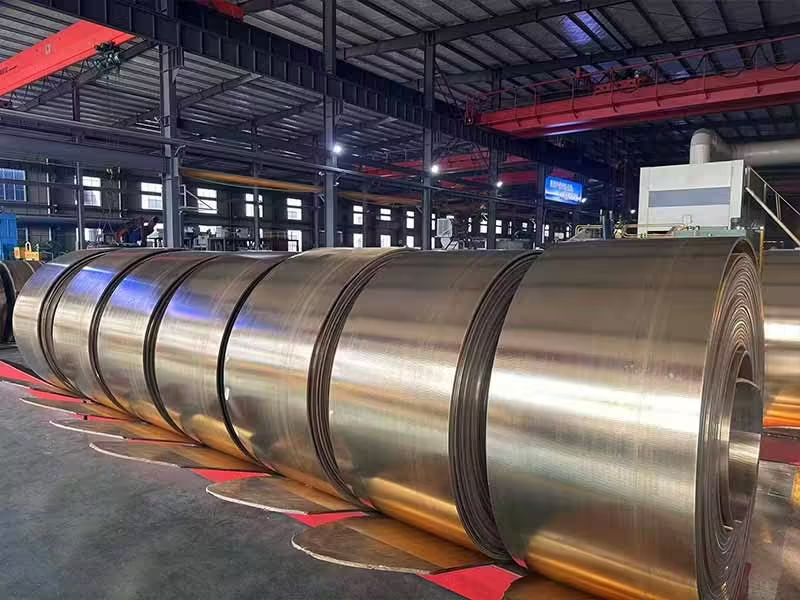
القدرة على المعالجة والتخصيص
يحتاج بعض المشترين إلى ملفات قياسية، بينما يحتاج البعض الآخر إلى مزيد من المعالجة قبل الشحن. يجب على مورد الملف الفولاذي الموثوق به أن يفهم كيفية استخدام الملف بعد التسليم وتقديم الدعم العملي بناءً على احتياجات الإنتاج للمشتري.
على سبيل المثال، قد تحتاج ملفات الفولاذ إلى شقها إلى عروض أضيق، أو تقطيعها إلى صفائح، أو تشذيبها للحصول على حواف أنظف، أو تعديلها حسب العرض المخصص، أو حمايتها بمعالجة سطحية مناسبة قبل الشحن. قد يحتاج بعض المشترين أيضًا إلى شحن منتجات مختلطة لدمج مواد فولاذية مختلفة في طلب واحد وتقليل وقت الشراء.
لماذا تعتبر معالجة الدعم مهمة
يمكن أن يساعد دعم المعالجة المشترين على تقليل تكاليف المعالجة الثانوية، وتحسين كفاءة الإنتاج، وتجنب عدم تطابق المواد. بالنسبة لمنتجي صفائح الأسقف ومصانع الأنابيب ومصنعي الأجهزة وورش التصنيع، فإن المعالجة الصحيحة قبل الشحن يمكن أن تجعل استخدام المواد أسهل فور وصولها.
تجربة التعبئة والتحميل للتصدير
بالنسبة للمشترين الدوليين، تعد تعبئة الصادرات جزءًا مهمًا من شراء لفائف الصلب. ملفات الفولاذ ثقيلة ويمكن أن تتضرر بسبب الرطوبة أو الاهتزاز أو الضغط أو سوء التعامل أثناء النقل لمسافات طويلة.
ما هي تعبئة الصادرات الجيدة التي ينبغي تحقيقها
يجب أن تحمي تعبئة التصدير الجيدة سطح الملف وحوافه وهيكله الداخلي أثناء الشحن البحري أو النقل البري. يمكن أن تؤدي الحماية المقاومة للماء، والربط القوي، وحماية الحواف، وتحديد موضع الملف بشكل مناسب، والتحميل الآمن للحاويات إلى تقليل مخاطر الصدأ والتشوه وتلف الشحن.
لماذا هذا مهم
حتى الملفات الفولاذية عالية الجودة يمكن أن تصل في حالة سيئة إذا لم يتم التعامل مع عملية التعبئة والتحميل بشكل صحيح. يجب أن يكون المورد الذي يتمتع بخبرة التصدير قادرًا على تقديم صور التعبئة وتحميل الصور وعلامات الشحن والوثائق الواضحة قبل الشحن.
قائمة مراجعة تقييم موردي لفائف الصلب
يمكن أن يساعد الجدول التالي المشترين على مقارنة موردي لفائف الصلب بشكل أكثر كفاءة.
| بند التقييم | ما يجب التحقق منه | لماذا يهم |
|---|---|---|
| مجموعة المنتجات | خيارات لفائف الفولاذ المقاوم للصدأ المدرفلة على الساخن، والمدرفلة على البارد، والمجلفنة، والمطلية مسبقًا | يساعد المشترين على مطابقة احتياجات المشروع المختلفة |
| معيار المواد | ASTM أو EN أو JIS أو GB أو المتطلبات الخاصة بالمشروع | يضمن الاتساق الفني |
| قدرة الحجم | السُمك والعرض ووزن الملف والقطر الداخلي | يؤثر على توافق خط الإنتاج |
| جودة الطلاء | طلاء الزنك وطبقة الطلاء ومعالجة الأسطح ومقاومة التآكل | التأثيرات على عمر الخدمة وأداء المنتج |
| دعم المعالجة | الحز والقطع والتشذيب والعرض المخصص وحماية السطح عند الحاجة | يقلل من تكلفة المعالجة الثانوية |
| طريقة التعبئة | حماية من الرطوبة، وحماية الحواف، وربط قوي، وتحميل آمن | يحمي المواد أثناء النقل |
| تجربة التصدير | التوثيق ومراقبة التحميل واتصالات التسليم ومتابعة الشحن | يقلل من مخاطر المشتريات الدولية |
| التواصل الفني | تأكيد المواصفات الواضحة قبل الطلب | يساعد على تجنب الاختيار الخاطئ للمواد |
| استقرار التسليم | جدول الإنتاج وتنسيق الشحن | يبقي المشاريع في الوقت المحدد |
كيفية إرسال استفسار عن لفائف الصلب الشفاف
يساعد الاستفسار الواضح المورد على تقديم عرض أسعار أكثر دقة وتجنب سوء الفهم. بدلاً من طلب سعر لفائف الفولاذ فقط، يجب على المشترين تقديم معلومات فنية وتجارية كاملة.
المعلومات الأساسية التي يجب تضمينها
عند الاتصال بمورد لفائف الصلب، يجب على المشترين تضمين نوع الملف، ودرجة المادة، والمعيار، والسمك، والعرض، ووزن الملف، وتشطيب السطح، ونوع الطلاء، ووزن الطلاء، وكمية الطلب، والتطبيق، وبلد الوجهة أو المنفذ، ومتطلبات التعبئة، و وقت التسليم المتوقع.
كلما كان الاستفسار أكثر اكتمالا، كلما كان من الأسهل على المورد تأكيد التوفر وجدوى الإنتاج وطريقة التعبئة والسعر النهائي.
مثال على لفائف الصلب المجلفن
يمكن كتابة استفسار واضح على النحو التالي: “نحن بحاجة إلى لفائف فولاذية مجلفنة لإنتاج صفائح الأسقف. السُمك المطلوب هو 0.5 مم، والعرض 1000 مم، وطلاء الزنك Z120، واللمعان العادي مقبول، ووزن الملف 3،5 طن، وتعبئة التصدير مطلوبة للشحن إلى فيتنام.”
يسمح هذا النوع من الاستفسار للمورد بفهم التطبيق والتوصية بمواصفات المواد المناسبة.
مثال على لفائف الصلب المدرفلة على البارد
بالنسبة للملفات الفولاذية المدرفلة على البارد، يمكن للمشتري أن يكتب: “نحن بحاجة إلى ملفات فولاذية مدلفنة على البارد لمعالجة لوحات الأجهزة. السمك المطلوب هو 0.8 مم، العرض 1219 مم، يجب أن يكون السطح أملسًا، ويجب التحكم في التسامح، وكمية الطلب 50 طنًا، والوجهة هي المكسيك.”
يساعد الاستفسار المحدد على تقليل التواصل المتكرر وتحسين دقة عرض الأسعار.
تطبيقات لفائف الصلب حسب الصناعة
يستخدم لفائف الصلب على نطاق واسع في سلاسل التصنيع والبناء والتوريد الصناعي. الاستخدام العام ل صفائح معدنية يوضح كيفية معالجة المواد المعدنية المسطحة وتحويلها إلى العديد من المنتجات الصناعية والتجارية.
صناعة البناء
في البناء، يتم استخدام لفائف الفولاذ المجلفن والملفات الفولاذية المطلية مسبقًا بشكل شائع في أنظمة الأسقف وألواح الجدران والكسوة والمزاريب والملحقات الهيكلية ومكونات البناء الخارجية. غالبًا ما تتطلب هذه التطبيقات مقاومة جيدة للتآكل وجودة طلاء مستقرة وأبعادًا متسقة.
تصنيع الأنابيب والأنابيب
تُستخدم عادةً ملفات الفولاذ المدرفلة على الساخن وملفات الفولاذ المجلفنة كمواد أساسية للأنابيب والأنابيب الفولاذية الملحومة. يجب أن يتمتع الملف بالقوة والعرض وحالة الحافة وأداء اللحام المناسب لدعم إنتاج الأنابيب المستقر.
تصنيع الآلات
يستخدم مصنعو الآلات لفائف فولاذية لإنتاج أغطية المعدات، والإطارات، والواقيات، والأقواس، والخزائن، والمكونات المصنعة. اعتمادًا على الجزء الأخير، يمكن للمشترين اختيار لفائف فولاذية مدلفنة على الساخن أو على البارد أو مطلية.
الأجهزة المنزلية والمنتجات المعدنية
تُستخدم الملفات الفولاذية المدرفلة على البارد والملفات الفولاذية المطلية مسبقًا على نطاق واسع في ألواح الثلاجة وأغلفة الغسالات والخزائن الكهربائية ومكونات الأثاث والمنتجات المعدنية المزخرفة. تتطلب هذه المنتجات عادةً مظهرًا أفضل للسطح ودقة الأبعاد.
التوزيع والتوريد بالجملة
غالبًا ما يقوم الموزعون بشراء لفائف الصلب بدرجات ومواصفات مختلفة لخدمة عملاء البناء والتصنيع والتصنيع المحليين. بالنسبة لهذا النوع من المشترين، يعد العرض المستقر ومجموعة المنتجات المرنة وتعبئة التصدير أمرًا مهمًا بشكل خاص.
مورد لفائف الصلب مقابل الشركة المصنعة لفائف الصلب
يبحث العديد من المشترين عن كل من مورد لفائف “steel” و“steel Coil.” وهذان المصطلحان مرتبطان، لكنهما ليسا متماثلين دائمًا.
ما هي الشركة المصنعة لفائف الصلب؟
عادة ما تركز الشركة المصنعة لملفات الفولاذ على الإنتاج. قد يكون لدى الشركات المصنعة خطوط درفلة أو جلفنة أو طلاء أو معالجة. إنها مناسبة للمشترين الذين يحتاجون إلى إنتاج قياسي كبير الحجم ومتطلبات فنية ثابتة وإمدادات مواد طويلة الأجل.
ما هو مورد لفائف الصلب؟
قد يوفر مورد لفائف الصلب موارد الإنتاج والمخزون ودعم المعالجة وتعبئة التصدير ومصادر المنتجات المختلطة والتواصل المرن مع الطلبات. بالنسبة للمشترين الدوليين، يمكن للمورد الذي يتمتع بموارد الشركة المصنعة القوية وخبرة التصدير أن يوفر حلاً عمليًا أكثر للمشتريات.
أيهما أفضل لمشتري المشروع؟
بالنسبة للطلبات القياسية كبيرة الحجم، يمكن أن يكون العمل مباشرة مع الشركة المصنعة مناسبًا. بالنسبة للمشاريع التي تتطلب أنواعًا مختلفة من الملفات، أو مواصفات مخصصة، أو شحنًا مشتركًا، أو وثائق تصدير، أو دعمًا أسرع للمصادر، قد يكون مورد ملفات الفولاذ المحترف أكثر ملاءمة.
لماذا العمل مع Huanhai Zhongke
إمدادات هوانهاي تشونغكي لفائف فولاذية, ، مواد الفولاذ المقاوم للصدأ، منتجات الصلب المجلفن، منتجات الألومنيوم، المواد النحاسية، وغيرها من المنتجات المعدنية الصناعية للمشترين العالميين.
دعم توريد المواد
يمكن لـ Huanhai Zhongke دعم متطلبات الملفات الفولاذية للبناء والأسقف وإنتاج الأنابيب وتصنيع الآلات والتصنيع والتوزيع. يمكن للمشترين توصيل الدرجة والسمك والعرض والتشطيب السطحي والطلاء والكمية وطريقة التعبئة المطلوبة للحصول على توصية مناسبة للمواد.
خيارات المواد المعدنية ذات الصلة
بالإضافة إلى لفائف الفولاذ، يمكن للمشترين أيضًا الاستكشاف مواد الفولاذ المقاوم للصدأ للتطبيقات المقاومة للتآكل، أو اتصل بالفريق لاختيار المواد المعدنية على نطاق أوسع وفقًا لاحتياجات المشروع.
دعم الاستفسار للمشترين العالميين
إذا كان مشروعك يتطلب لفائف فولاذية للبناء أو التصنيع أو الأسقف أو إنتاج الأنابيب أو التصنيع الصناعي، فيمكنك ذلك اتصل بـ Huanhai Zhongke مع المواصفات ومتطلبات التطبيق الخاصة بك. يساعد الاستفسار الواضح الفريق على التوصية بحل مناسب للملفات الفولاذية بشكل أكثر كفاءة.
الأفكار النهائية
لا ينبغي أن يعتمد اختيار مورد لفائف الفولاذ على السعر فقط. يجب على المشترين تقييم درجة الفولاذ، ومعايير المواد، وتحمل السُمك، وجودة الطلاء، وحالة السطح، والقدرة على المعالجة، وتعبئة التصدير، واستقرار التسليم، وكفاءة الاتصال.
يمكن لمورد لفائف الصلب الموثوق به أن يساعد في تقليل مخاطر الشراء، وتحسين كفاءة المعالجة، وحماية جودة المواد، ودعم احتياجات المشروع طويلة المدى. بالنسبة للمشترين الذين يقومون بتوريد لفائف الصلب على المستوى الدولي، فإن خبرة الموردين في وثائق التعبئة والتحميل والتصدير لها أهمية خاصة.
توفر شركة Huanhai Zhongke لفائف الصلب والمواد المعدنية ذات الصلة لمشاريع البناء ومصانع التصنيع والموزعين والمشترين الصناعيين. اتصل بفريقنا لمناقشة مواصفات لفائف الفولاذ الخاصة بك والحصول على حل مادي مناسب لمشروعك.
 Arabic
  English
  Korean
  Vietnamese