
تلعب لفائف الفولاذ المقاوم للصدأ المستخدمة في تصنيع المبادلات الحرارية دورًا حاسمًا في الأنظمة الحرارية الصناعية الحديثة. المبادلات الحرارية هي مكونات أساسية تستخدم لنقل الحرارة بين السوائل دون خلط مباشر. يتم تركيبها على نطاق واسع في محطات توليد الطاقة، والمرافق البتروكيماوية، وأنظمة التدفئة والتهوية وتكييف الهواء، والهندسة البحرية، وأنظمة التبريد، وصناعات تجهيز الأغذية.
نظرًا لأن هذه الأنظمة تعمل تحت درجات حرارة متقلبة، وضغط مستمر، وتعرض السوائل المسببة للتآكل، فإن اختيار المواد يؤثر بشكل مباشر على السلامة التشغيلية، وكفاءة الطاقة، وتكاليف الصيانة طويلة المدى. يوفر ملف الفولاذ المقاوم للصدأ لتصنيع المبادلات الحرارية مقاومة التآكل، والقوة الميكانيكية، ومرونة التصنيع المطلوبة لتلبية المعايير الصناعية المطلوبة.
ومع تركيز الصناعات بشكل متزايد على كفاءة الطاقة وخفض الانبعاثات، أصبحت المبادلات الحرارية عالية الأداء لا غنى عنها. يضمن لفائف الفولاذ المقاوم للصدأ المتانة والأداء الحراري المتسق حتى في بيئات الخدمة العدوانية.
جدول المحتويات
ظروف عمل المبادلات الحرارية الصناعية
تخضع المبادلات الحرارية لظروف تشغيل معقدة مثل:
تباين درجات الحرارة العالية والدورة الحرارية
دوران السوائل المضغوطة
مياه التبريد الغنية بالكلوريد
سوائل العمليات الكيميائية
بيئات التكثيف
الرطوبة العالية والتعرض البحري
تعمل هذه العوامل على تسريع التآكل وإجهاد المواد. يشكل ملف الفولاذ المقاوم للصدأ طبقة مستقرة من أكسيد الكروم تحمي من الأكسدة والتآكل. يتم تجديد هذا الفيلم السلبي تلقائيًا عند تلفه، مما يضمن حماية السطح على المدى الطويل.
أنواع المبادلات الحرارية التي تستخدم لفائف الفولاذ المقاوم للصدأ
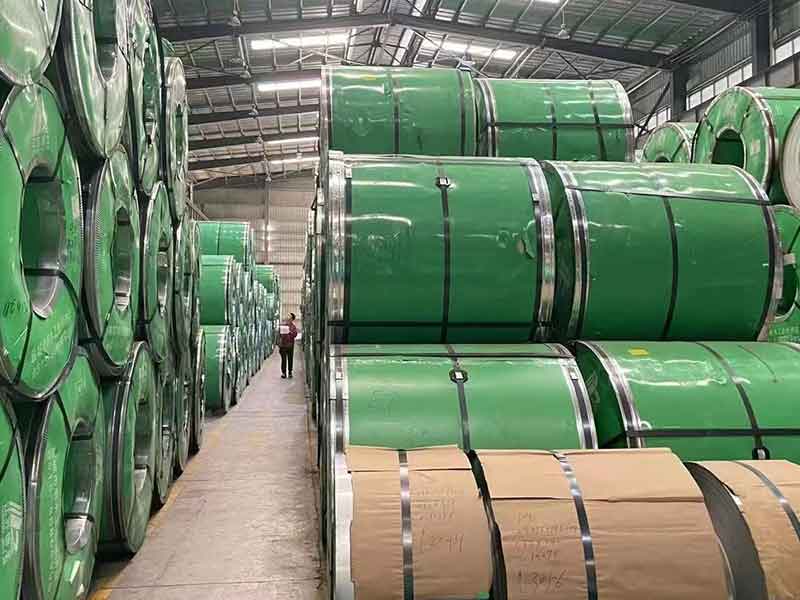
يستخدم لفائف الفولاذ المقاوم للصدأ على نطاق واسع في تصنيع هياكل المبادلات المختلفة
مبادلات حرارية للوحة
مبادلات حرارية ذات غلاف وأنبوب
المبادلات الحرارية المبردة بالهواء
المكثفات والمبخرات
مبادلات حرارية مزدوجة الأنابيب
ملفات التبريد الصناعية
يتطلب كل تصميم سمكًا دقيقًا للمادة وأداء التشكيل وموثوقية اللحام. يسمح إمداد الملف بعمليات الختم والتشكيل والإنتاج الآلي بكفاءة.
شائع الفولاذ المقاوم للصدأ الدرجات ومنطق الاختيار
304 لفائف الفولاذ المقاوم للصدأ
يتم اختيار لفائف الفولاذ المقاوم للصدأ 304 بشكل شائع من أجل:
أنظمة تبريد المياه العذبة
وحدات نقل الحرارة HVAC
المعدات الحرارية الغذائية
السوائل الصناعية منخفضة الكلوريد
تشمل المزايا ما يلي:
قابلية لحام ممتازة
خواص ميكانيكية مستقرة
مقاومة جيدة للتآكل
خيار المواد فعالة من حيث التكلفة
بالنسبة للتطبيقات الحرارية للأغراض العامة، يوفر 304 أداءً متوازنًا وقدرة على تحمل التكاليف.
316 لفائف الفولاذ المقاوم للصدأ
316 يشتمل الملف المصنوع من الفولاذ المقاوم للصدأ على الموليبدينوم، الذي يعزز مقاومة الحفر الناجم عن الكلوريد وتآكل الشقوق. يوصى به من أجل:
أنظمة التبريد البحرية
مكثفات مياه البحر
المبادلات الحرارية الكيميائية
مرافق تحلية المياه
سوائل العمليات الصناعية العدوانية
في بيئات الكلوريد، يعمل 316 على إطالة العمر التشغيلي بشكل ملحوظ مقارنة بـ 304.
نظرة عامة على المواصفات الفنية
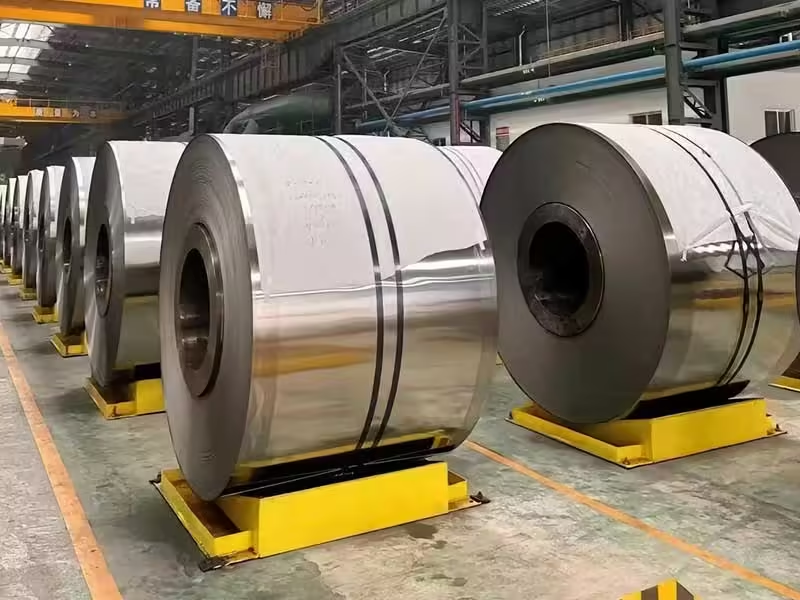
| المعلمة | النطاق النموذجي | وصف |
|---|---|---|
| درجة | 304 / 316 | مادة مبادل حراري مقاومة للتآكل |
| سماكة | 0.3 3.0 ملم | تشكيل اللوحة والأنبوب |
| عرض | 600 بوصة 1500 ملم | مناسبة لختم الخطوط |
| تشطيب السطح | 2 ب/بكالوريوس | سطح أملس لنقل الحرارة |
| قوة الشد | ≥520 ميجا باسكال | الاستقرار الهيكلي |
| استطالة | ≥40% | القدرة على التشكيل |
| معيار | ASTM A240 / EN 10088 | الامتثال الدولي |
يعتمد اختيار السُمك الصحيح على تصنيف الضغط ودرجة حرارة التشغيل وتكوين المبادل.
نقل الحرارة والأداء السطحي
تؤثر حالة السطح بشكل مباشر على كفاءة نقل الحرارة. تشجع الأسطح الخشنة على التلوث والقشور، مما يقلل من الكفاءة الحرارية بمرور الوقت.
توفر اللمسة النهائية 2B سطحًا صناعيًا أملسًا مناسبًا لمعظم التطبيقات.
يوفر تشطيب BA سطحًا أكثر إشراقًا ونعومة، مما يقلل من التلوث ويحسن قابلية التنظيف.
تعمل معدلات التلوث المنخفضة على تحسين كفاءة الطاقة على المدى الطويل وتقليل تكرار التنظيف.
القوة الميكانيكية ومقاومة الضغط
تعمل المبادلات الحرارية غالبًا تحت ضغط متوسط إلى مرتفع. يوفر لفائف الفولاذ المقاوم للصدأ ما يلي
قوة شد عالية
قوة الخضوع القوية
مقاومة جيدة للتشوه
أداء مستقر تحت الاهتزاز
تضمن هذه الخصائص التشغيل الآمن حتى في ظل ظروف التحميل المتقلبة.
مقاومة التعب الحراري
يمكن أن تسبب دورات التسخين والتبريد المتكررة تشققًا دقيقًا في المواد منخفضة الجودة. يُظهر الفولاذ المقاوم للصدأ مقاومة قوية للتعب الحراري بسبب بنيته المجهرية المتوازنة وتكوين السبائك.
وهذا يجعل لفائف الفولاذ المقاوم للصدأ لتصنيع المبادلات الحرارية مناسبة بشكل خاص للتشغيل الصناعي المستمر.
مزايا التصنيع لمصنعي المعدات الأصلية
تعمل لفائف الفولاذ المقاوم للصدأ على تحسين كفاءة الإنتاج لأنها تدعم:
ختم عالي السرعة لمبادلات الألواح
تشكيل لفة دقيقة لإنتاج الأنابيب
اللحام الآلي TIG والليزر
قطع CNC للمكونات المخصصة
التحكم في سمك متسقة
يعمل تنسيق الملف على تقليل هدر المواد ويتيح إنتاجًا ضخمًا قابلاً للتطوير.
المقارنة مع المواد البديلة
الفولاذ المقاوم للصدأ مقابل الفولاذ الكربوني
الفولاذ الكربوني عرضة للصدأ والقشور في البيئات الرطبة. الطلاءات الواقية مطلوبة وقد تتحلل بمرور الوقت. يوفر الفولاذ المقاوم للصدأ مقاومة متأصلة للتآكل دون طلاء إضافي.
الفولاذ المقاوم للصدأ مقابل النحاس
يوفر النحاس موصلية حرارية أعلى ولكنه يعاني من انخفاض القوة الميكانيكية ومقاومة التآكل في البيئات الكيميائية والمالحة. في الأنظمة الصناعية العدوانية، يوفر الفولاذ المقاوم للصدأ متانة فائقة وتكلفة أقل لدورة الحياة.
من أجل الموثوقية على المدى الطويل في البيئات القاسية، تظل لفائف الفولاذ المقاوم للصدأ الحل الصناعي المفضل.
تطبيقات الصناعة
يستخدم لفائف الفولاذ المقاوم للصدأ لتصنيع المبادلات الحرارية على نطاق واسع في:
محطات الطاقة الحرارية
مصافي النفط والغاز
وحدات المعالجة الكيميائية
أنظمة التبريد الصناعية
أنظمة تبريد المحركات البحرية
أنظمة الهواء المركزية HVAC
المعالجة الحرارية للأغذية والمشروبات
إن استقرار أدائها يجعلها مناسبة لكل من الوحدات الصناعية الثقيلة والمبادلات المعيارية المدمجة.
مراقبة الجودة وإصدار الشهادات
يضمن موردو لفائف الفولاذ المقاوم للصدأ المحترفون مراقبة صارمة للجودة، بما في ذلك:
اختبار التركيب الكيميائي
اختبار الخواص الميكانيكية
فحص السطح
قياس تحمل السماكة
التحقق من مؤشر مديري المشتريات
شهادات اختبار المطحنة
يضمن الامتثال للمواصفة ASTM A240 وEN 10088 القبول الهندسي العالمي.
القدرة التوريدية للمشاريع الصناعية
يحتاج مصنعو المبادلات الحرارية الكبيرة ومقاولو EPC إلى إمدادات متسقة من المواد الخام. الموردين الموثوقين يقدمون:
مخزون كبير من 304 و 316 درجة
قدرة إنتاجية شهرية مستقرة
خدمات القطع والقطع المخصصة
التعبئة والتغليف الواقية للتصدير
جداول تسليم مرنة
يضمن الإمداد المستقر تصنيع المعدات دون انقطاع وتنفيذ المشروع.
توقعات السوق
تستمر التنمية الصناعية العالمية والطلب المتزايد على الأنظمة الموفرة للطاقة في دفع النمو في إنتاج المبادلات الحرارية. تعمل اللوائح البيئية ومبادرات الحفاظ على الطاقة على تسريع اعتماد المواد عالية الأداء.
نظرًا لأن الصناعات تعطي الأولوية للمتانة والكفاءة وتقليل الصيانة، فإن لفائف الفولاذ المقاوم للصدأ المستخدمة في تصنيع المبادلات الحرارية تظل مادة مهمة في أسواق الهندسة الحرارية العالمية.
خاتمة
توفر لفائف الفولاذ المقاوم للصدأ المستخدمة في تصنيع المبادلات الحرارية مقاومة ممتازة للتآكل، وقوة هيكلية، واستقرارًا حراريًا، ومرونة في التصنيع. فهو يضمن أداءً موثوقًا به عبر قطاعات الطاقة والكيميائية والبحرية والتدفئة والتهوية وتكييف الهواء.
بالنسبة لمصنعي المعدات والمقاولين الهندسيين، فإن اختيار لفائف الفولاذ المقاوم للصدأ المعتمدة يحسن السلامة التشغيلية، ويطيل عمر الخدمة، ويعزز كفاءة التكلفة على المدى الطويل.
الأسئلة الشائعة
س1: لماذا يفضل الفولاذ المقاوم للصدأ في المبادلات الحرارية؟
لأنه يوفر مقاومة للتآكل والقوة والمتانة في ظل التدوير الحراري.
س2: هل 304 مناسب لأنظمة التدفئة والتهوية وتكييف الهواء؟
نعم، يستخدم 304 على نطاق واسع في أنظمة التبادل الحراري للمياه العذبة والتدفئة والتهوية وتكييف الهواء.
س3: متى يجب اختيار 316؟
يوصى باستخدام 316 للبيئات الغنية بالكلوريد أو البحرية أو الكيميائية.
س 4: ما هو تشطيب السطح الذي يحسن كفاءة نقل الحرارة؟
التشطيبات الناعمة مثل 2B أو BA تقلل من التلوث والقشور.
س5: هل يمكن لملف الفولاذ المقاوم للصدأ دعم الإنتاج الضخم؟
نعم، يتيح تنسيق الملف عمليات ختم وتصنيع آلية فعالة.
 Arabic
  English
  Korean
  Vietnamese