

يستخدم لفائف الفولاذ المقاوم للصدأ لصهاريج تخزين المواد الكيميائية على نطاق واسع في تصنيع الخزانات المقاومة للتآكل المصممة لتخزين الأحماض والقلويات والمذيبات والمواد الكيميائية الصناعية. البيئات الكيميائية شديدة العدوانية، وتتطلب مواد تحافظ على السلامة الهيكلية، وتقاوم التآكل، وتضمن السلامة التشغيلية على المدى الطويل.
بالمقارنة مع الفولاذ الكربوني المطلي، يوفر ملف الفولاذ المقاوم للصدأ مقاومة متأصلة للتآكل دون الاعتماد على الطلاءات السطحية، مما يجعله مادة مفضلة لتصنيع الخزانات الكيميائية في التطبيقات الصناعية والبيئية.
جدول المحتويات
لماذا تتطلب صهاريج التخزين الكيميائية الفولاذ المقاوم للصدأ
تتعرض صهاريج تخزين المواد الكيميائية إلى:
- الأحماض القوية والقلويات
- المحاليل المحتوية على الكلوريد
- درجات حرارة عالية
- التعرض المستمر للرطوبة
- الضغط الداخلي والضغط الخارجي
في ظل هذه الظروف، تتآكل المواد الفولاذية التقليدية بسرعة، مما يؤدي إلى مخاطر التسرب والصيانة المكلفة. يشكل ملف الفولاذ المقاوم للصدأ طبقة سلبية غنية بالكروم تحمي السطح من الهجوم الكيميائي، مما يطيل عمر الخدمة بشكل كبير.
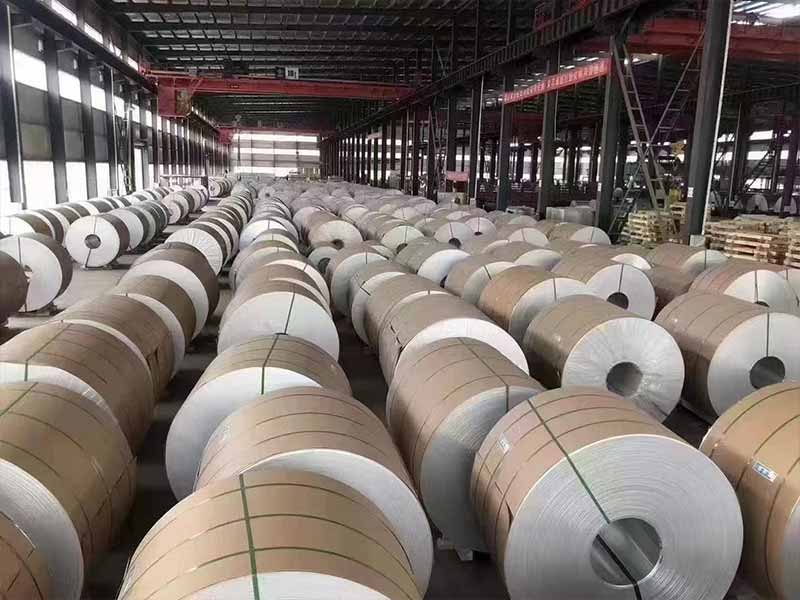
درجات الفولاذ المقاوم للصدأ الشائعة للخزانات الكيميائية
304 لفائف الفولاذ المقاوم للصدأ
يعتبر ملف الفولاذ المقاوم للصدأ 304 مناسبًا للتخزين الكيميائي المعتدل والسوائل الصناعية العامة. فهو يوفر مقاومة جيدة للتآكل وأداء تصنيع قوي.
تشمل التطبيقات:
- تخزين كيميائي محايد
- الحلول المائية
- السوائل الصناعية الخفيفة
316 لفائف الفولاذ المقاوم للصدأ
يحتوي ملف الفولاذ المقاوم للصدأ 316 على الموليبدينوم، مما يعزز مقاومة الكلوريدات والبيئات الحمضية. يوصى به لـ:
- صهاريج تخزين الأحماض
- محاليل الملح
- النظم الكيميائية البحرية
- المواد الكيميائية الصناعية العدوانية
بالنسبة للوسائط شديدة التآكل، يوفر 316 مقاومة ومتانة محسنة بشكل كبير.
نظرة عامة على المواصفات الفنية
| المعلمة | النطاق النموذجي | وصف |
|---|---|---|
| درجة | 304 / 316 | الفولاذ المقاوم للصدأ المقاوم للمواد الكيميائية |
| سماكة | 1.0 8.0 ملم | مناسبة لتصنيع جدار الخزان |
| عرض | 10002000 ملم | ملف واسع لتشكيل الخزان الكبير |
| تشطيب السطح | 2ب/رقم 1 | سطح صناعي |
| قوة الخضوع | ≥205 ميجا باسكال | الموثوقية الهيكلية |
| معيار | ASTM A240 / EN 10088 | الامتثال الدولي |
يتم اختيار سمك جدار الخزان بناءً على قطر الخزان والنوع الكيميائي المخزن ومتطلبات الضغط.
المزايا الرئيسية لملف الفولاذ المقاوم للصدأ للخزانات الكيميائية
1. مقاومة كيميائية ممتازة
يقاوم لفائف الفولاذ المقاوم للصدأ الأكسدة والهجوم الحمضي وتآكل الكلوريد. وهذا يقلل من مخاطر التسرب ويحسن السلامة البيئية.
2. القوة الهيكلية للدبابات الكبيرة
قد تصل الخزانات الكيميائية الصناعية إلى أقطار وارتفاعات كبيرة. يوفر الفولاذ المقاوم للصدأ قوة شد عالية ومقاومة للتشوه.
3. مقاومة درجة الحرارة
يتم تخزين العديد من المواد الكيميائية في درجات حرارة مرتفعة. يحافظ الفولاذ المقاوم للصدأ على الثبات الميكانيكي تحت الضغط الحراري.
4. مرونة اللحام والتصنيع
يسمح تنسيق الملف بعمليات تصنيع فعالة مثل:
- المتداول في قذائف أسطوانية
- اللحام التلقائي
- قطع باستخدام الحاسب الآلي
- تشكيل التعزيز الهيكلي
وهذا يحسن كفاءة التصنيع لمنتجي الخزانات.
5. انخفاض تكلفة الصيانة ودورة الحياة
على عكس المواد المطلية، لا يتطلب الفولاذ المقاوم للصدأ إعادة طلاء دورية. ويترجم انخفاض الصيانة إلى انخفاض التكلفة الإجمالية للملكية.
تطبيقات في الصناعة الكيميائية
يتم استخدام لفائف الفولاذ المقاوم للصدأ لصهاريج تخزين المواد الكيميائية في:
مصانع البتروكيماويات
مرافق تخزين الأحماض
خزانات المواد الخام الصيدلانية
تخزين المذيبات الصناعية
خزانات كيميائية لمعالجة المياه
تخزين المواد الكيميائية الزراعية
وحدات تجهيز المصافي
يدعم تعدد استخداماته أنظمة الخزانات الداخلية والخارجية.
اعتبارات تشطيب السطح
عادةً ما يتم استخدام اللمسة النهائية رقم 1 للملفات الصناعية السميكة المخصصة للخزانات الثقيلة.
يوفر التشطيب 2B خصائص سطحية أكثر سلاسة ومناسبة للتطبيقات الكيميائية الأخف.
يؤثر تحضير السطح على مقاومة التآكل وكفاءة التنظيف.
المقارنة: خزانات الفولاذ المقاوم للصدأ مقابل خزانات الفولاذ الكربوني
تتطلب خزانات الفولاذ الكربوني بطانة من الإيبوكسي أو المطاط.
يؤدي فشل الطلاء إلى التآكل السريع.
توفر خزانات الفولاذ المقاوم للصدأ حماية متأصلة من التآكل.
يتم تقليل تردد الصيانة بشكل كبير.
الموثوقية على المدى الطويل أعلى مع الفولاذ المقاوم للصدأ.
بالنسبة للمواد الكيميائية الخطرة، يوفر الفولاذ المقاوم للصدأ سلامة وامتثالًا بيئيًا فائقًا.
مراقبة الجودة وإصدار الشهادات
يوفر موردو لفائف الفولاذ المقاوم للصدأ المحترفون ما يلي:
- اختبار التركيب الكيميائي
- التحقق من القوة الميكانيكية
- فحص تحمل السماكة
- اختبار الموجات فوق الصوتية (إذا لزم الأمر)
- شهادة اختبار المطحنة (MTC)
يضمن الامتثال لمعايير ASTM وEN الملاءمة لمشاريع الصناعة الكيميائية العالمية.
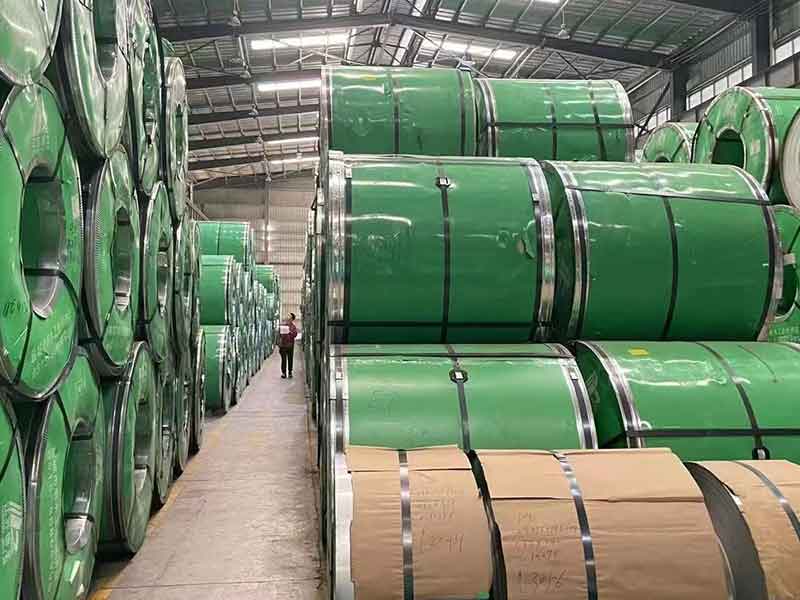
توريد بالجملة لمصنعي الخزانات ومشاريع EPC
تتطلب مشاريع تخزين المواد الكيميائية الكبيرة إمدادات ثابتة من المواد. دعم الموردين:
مخزون لفائف كبيرة
إنتاج العرض المخصص
خيارات القياس الثقيل
التعبئة والتغليف من فئة التصدير
جداول تسليم مرنة
دعم المشتريات على أساس المشاريع
يضمن الإمداد المستقر الإنتاج السلس لمصنعي الخزانات والمقاولين الهندسيين.
توقعات السوق
يستمر الإنتاج الكيميائي العالمي في النمو بسبب:
التوسع الصناعي
تطوير قطاع الطاقة
الاستثمار في البنية التحتية
مشاريع حماية البيئة
مع تزايد صرامة لوائح السلامة، يستمر الطلب على لفائف الفولاذ المقاوم للصدأ المقاومة للتآكل لصهاريج تخزين المواد الكيميائية في الارتفاع.
خاتمة
يوفر ملف الفولاذ المقاوم للصدأ لصهاريج تخزين المواد الكيميائية مقاومة كيميائية متميزة، وقوة هيكلية، واستقرارًا لدرجة الحرارة، ومتانة طويلة المدى. إنه خيار مادة موثوق به لتصنيع الخزانات الصناعية وأنظمة تخزين المواد الكيميائية الخطرة.
بالنسبة لمصنعي الخزانات ومقاولي EPC، يضمن الحصول على ملفات الفولاذ المقاوم للصدأ المعتمدة السلامة والامتثال التنظيمي والكفاءة التشغيلية على المدى الطويل.
الأسئلة الشائعة
س1: هل الفولاذ المقاوم للصدأ 304 مناسب لتخزين الأحماض؟
304 مناسب للأحماض الخفيفة، ولكن يوصى بـ 316 للبيئات الحمضية الأقوى.
س2: لماذا يفضل 316 في تخزين المواد الكيميائية؟
يحتوي 316 على الموليبدينوم، مما يحسن مقاومة تآكل الكلوريد والتنقر.
س3: ما هو السمك الموصى به لصهاريج التخزين؟
يعتمد السُمك على حجم الخزان والخصائص الكيميائية المخزنة، عادةً 1.0 إلى 8.0 ملم.
س 4: هل يمكن تخصيص عرض الملف للخزانات الكبيرة؟
نعم، يوفر الموردون خيارات ملفات واسعة لتصنيع الخزانات ذات القطر الكبير.
س5: هل العرض بالجملة متاح للمشاريع الهندسية؟
نعم، يدعم الموردون المشاريع الصناعية والكيميائية واسعة النطاق لشركة EPC.
 Arabic
  English
  Korean
  Vietnamese