

جدول المحتويات
تلعب حلول الأنابيب الفولاذية دورًا حيويًا في الأنظمة الصناعية الحديثة، خاصة في البيئات التي تعتبر فيها السلامة والمتانة والأداء أمرًا بالغ الأهمية. تُفضل الأنابيب المنتجة بدون طبقات ملحومة على نطاق واسع في التطبيقات الصعبة نظرًا لبنيتها الموحدة وخصائصها الميكانيكية الموثوقة.
باعتبارنا شركة مصنعة محترفة تخدم العملاء الصناعيين العالميين، فإننا نهدف ليس فقط إلى توفير منتجات مستقرة، ولكن أيضًا إرشادات فنية واضحة لمساعدة المشترين على اتخاذ قرارات مستنيرة بشأن المصادر.
ما هي أنابيب فولاذية غير ملحومة?
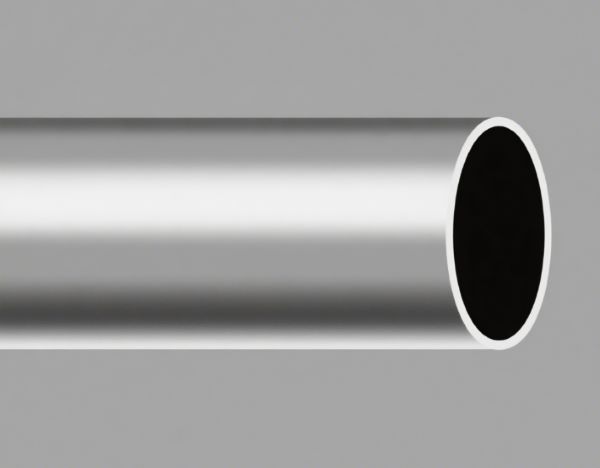
يتم إنتاج هذا النوع من الأنابيب من قضبان الفولاذ الصلب بدلاً من تشكيلها من شرائح أو ألواح ملحومة. نظرًا لعدم وجود وصلة ملحومة على طول جسم الأنبوب، يظل الهيكل ثابتًا طوال طوله.
بالمقارنة مع البدائل الملحومة، توفر الأنابيب المصنعة بهذه الطريقة مقاومة أفضل للضغط الداخلي وتكون أقل عرضة للفشل في البيئات عالية الضغط. وهذا يجعلها مناسبة للأنظمة الحرجة حيث تكون الموثوقية ضرورية.
كيف أنابيب فولاذية غير ملحومة يتم تصنيعها
يبدأ الإنتاج بقضبان مستديرة مختارة بعناية. بعد التسخين، يتم ثقب المادة لتكوين غلاف مجوف، والذي يتم تشكيله بعد ذلك من خلال الدرفلة على الساخن أو السحب على البارد لتحقيق الأبعاد المطلوبة.
يتم تطبيق العمليات اللاحقة مثل المعالجة الحرارية والتقويم وتشطيب الأسطح لتعزيز الأداء الميكانيكي ودقة الأبعاد. خلال عملية التصنيع، يتم تنفيذ عمليات التفتيش وضوابط العملية لضمان الجودة المستقرة والامتثال للمعايير ذات الصلة.
تتيح السيطرة المباشرة على مراحل الإنتاج هذه للمصنعين تقديم نتائج متسقة للمشاريع الصناعية.
المعايير والدرجات المشتركة لأنابيب الصلب الصناعية
تتطلب الصناعات المختلفة الامتثال لمعايير فنية مختلفة. يتم إنتاج أنابيب الخدمة ذات درجات الحرارة العالية أو أنظمة الضغط أو مشاريع الطاقة وفقًا للمواصفات المعترف بها دوليًا.
تحدد معايير مثل ASTM وAPI وEN وDIN تكوين المواد والخواص الميكانيكية ومتطلبات الاختبار. يضمن اختيار الدرجة المناسبة التوافق مع ظروف التشغيل والتوقعات التنظيمية.
يساعد فهم هذه المعايير المشترين على تقليل المخاطر وتحسين أداء النظام على المدى الطويل.
الأحجام والأبعاد والمواصفات الفنية
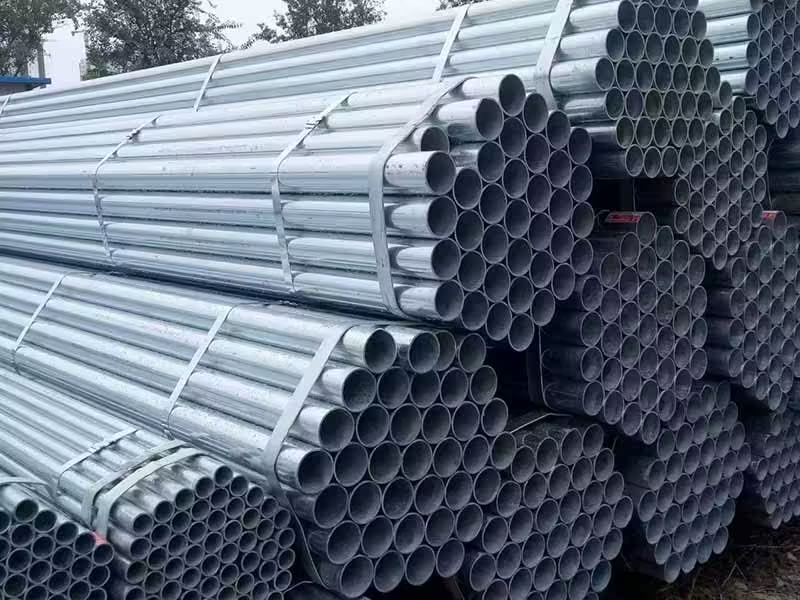
تتوفر منتجات الأنابيب الصناعية في مجموعة واسعة من الأقطار وسمك الجدار وخيارات الطول. يعد اختيار الأبعاد المناسبة أمرًا ضروريًا للحفاظ على مقاومة الضغط وكفاءة التدفق واستقرار النظام بشكل عام.
فيما يلي نظرة عامة على المواصفات المتوفرة بشكل شائع:
| المعلمة | النطاق النموذجي |
|---|---|
| القطر الخارجي | 10 ملم 660 ملم |
| سمك الجدار | 1.5 ملم 60 ملم |
| خيارات الطول | عشوائي، ثابت، مخصص |
| نطاق الجدول الزمني | ش 10 2 ش 160 |
| حالة السطح | أسود، مخلل، مُشكل |
يمكن إنتاج أبعاد مخصصة لتلبية متطلبات المشروع المحددة.
المزايا الرئيسية للأنابيب بدون طبقات ملحومة
إحدى المزايا الأساسية لهيكل الأنبوب هذا هو عدم وجود وصلة ملحومة، مما يزيل نقطة الضعف المحتملة. يعمل هذا التصميم على تحسين مقاومة الضغط الداخلي والإجهاد الحراري.
وتشمل الفوائد الإضافية الخواص الميكانيكية القوية، والأداء الجيد في درجات الحرارة المرتفعة، وعمر الخدمة الطويل في بيئات التشغيل القاسية. تساعد هذه الخصائص على تقليل تكاليف الصيانة وتعزيز موثوقية النظام.
التطبيقات الصناعية لأنابيب الصلب غير الملحومة
تُستخدم الأنابيب الفولاذية غير الملحومة على نطاق واسع في العديد من الصناعات.
وفي قطاع النفط والغاز، يتم تطبيقها بشكل شائع في أنظمة الحفر والنقل والمعالجة. تعتمد محطات توليد الطاقة على الأنابيب غير الملحومة للغلايات وخطوط الأنابيب ذات درجة الحرارة العالية. تستخدمها منشآت البتروكيماويات للتعامل مع السوائل العدوانية وعمليات الضغط العالي.
كما أنها تستخدم في الهندسة الميكانيكية والتطبيقات الهيكلية والأنظمة الهيدروليكية حيث تتطلب الدقة والقوة.
كيفية اختيار الأنابيب الفولاذية غير الملحومة المناسبة لمشروعك
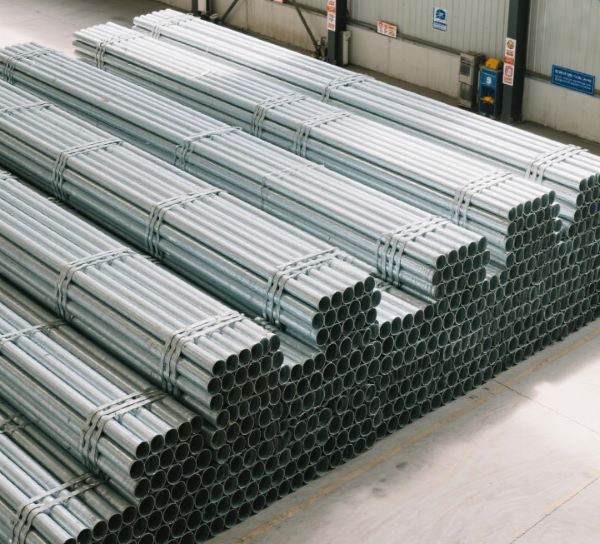
يتضمن اختيار الأنابيب الفولاذية غير الملحومة المناسبة أكثر من مجرد اختيار الحجم. يجب على المشترين مراعاة ضغط التشغيل ودرجة الحرارة ونوع السائل والمعايير المعمول بها.
يعد اختيار درجة المواد أمرًا بالغ الأهمية، خاصة بالنسبة لتطبيقات الضغط العالي أو درجات الحرارة العالية. ومن المهم بنفس القدر اختيار شركة مصنعة تتمتع بقدرة إنتاجية مثبتة ومراقبة جودة مستقرة وخبرة في التصدير إلى الأسواق الدولية.
يساعد العمل مباشرة مع الشركة المصنعة على ضمان المواصفات الدقيقة والدعم الفني والإمداد المتسق.
مراقبة الجودة والاختبار في تصنيع أنابيب الصلب غير الملحومة
تعتبر مراقبة الجودة مصدر قلق رئيسي للمشترين الصناعيين. تخضع الأنابيب الفولاذية غير الملحومة عادةً للتحليل الكيميائي والاختبارات الميكانيكية والاختبارات غير المدمرة للتحقق من أداء المواد.
توفر شهادات اختبار المطحنة وتقارير الفحص إمكانية التتبع الكامل وضمان الامتثال. يضمن نظام إدارة الجودة الصارم أن كل أنبوب يتم تسليمه يلبي المعايير ومواصفات المشروع المطلوبة.
حلول أنابيب الصلب غير الملحومة المخصصة من الشركة المصنعة
تتطلب العديد من المشاريع أحجامًا غير قياسية، أو درجات مواد خاصة، أو ظروف سطحية محددة. كشركة مصنعة، نحن نقدم حلول أنابيب فولاذية غير ملحومة مخصصة لتلبية الاحتياجات الصناعية المتنوعة.
تتضمن خيارات التخصيص أقطارًا خارجية خاصة، وسمك الجدار، وعمليات المعالجة الحرارية، والتغليف المخصص للشحن الدولي. تتيح هذه المرونة للمشترين تحسين الأداء مع التحكم في التكاليف.
لماذا تختارنا كشركة مصنعة لأنابيب الفولاذ غير الملحومة
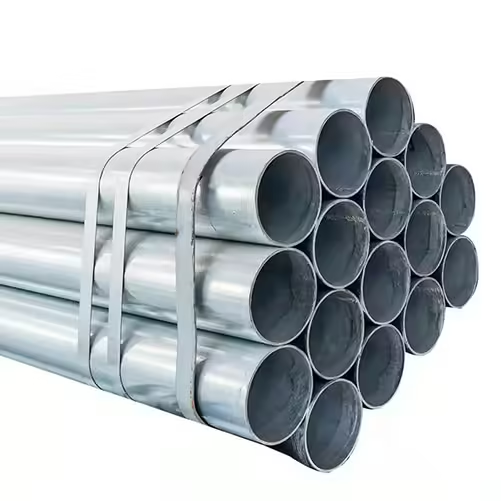
اختيار المورد المناسب لا يقل أهمية عن اختيار المنتج المناسب. لا توفر الشركة المصنعة الموثوقة أنابيب فولاذية غير ملحومة عالية الجودة فحسب، بل توفر أيضًا الخبرة الفنية وجداول التسليم المستقرة والخدمة سريعة الاستجابة.
بفضل مرافق الإنتاج المتقدمة، وإدارة الجودة الصارمة، وخبرة التصدير الواسعة، فإننا ندعم العملاء العالميين عبر مختلف الصناعات. هدفنا هو بناء شراكات طويلة الأمد من خلال تقديم حلول متسقة عالية الجودة ويمكن الاعتماد عليها.
خاتمة
تعد الأنابيب الفولاذية غير الملحومة مكونات أساسية في الأنظمة الصناعية حيث تعد القوة والسلامة والمتانة أمرًا بالغ الأهمية. يساعد فهم عمليات التصنيع والمعايير والمواصفات والتطبيقات المشترين على اختيار المنتج المناسب لمشاريعهم.
باعتبارنا شركة مصنعة ذات خبرة لأنابيب الصلب غير الملحومة، فإننا ملتزمون بتوفير منتجات عالية الجودة ومراقبة جودة موثوقة وحلول مخصصة للعملاء العالميين. تضمن الشراكة مع شركة مصنعة موثوقة الأداء والامتثال والقيمة طويلة المدى لمشاريعك الصناعية.
الأسئلة الشائعة
ماذا؟ أنابيب فولاذية غير ملحومة ما الغرض من استخدامه؟
تُستخدم الأنابيب الفولاذية غير الملحومة بشكل شائع في تطبيقات الضغط العالي ودرجات الحرارة العالية مثل خطوط أنابيب النفط والغاز والغلايات ومحطات الطاقة وأنظمة البتروكيماويات حيث تكون القوة والموثوقية أمرًا بالغ الأهمية.
ما الفرق بين الأنابيب الفولاذية غير الملحومة والأنابيب الملحومة؟
يتم تصنيع الأنابيب الفولاذية غير الملحومة بدون درز لحام، مما يوفر مقاومة أعلى للضغط وقوة ميكانيكية أفضل، في حين أن الأنابيب الملحومة بشكل عام أكثر فعالية من حيث التكلفة لتطبيقات الضغط المنخفض.
ما هي المعايير المستخدمة عادة للأنابيب الفولاذية غير الملحومة؟
تشمل المعايير الشائعة معايير ASTM (مثل ASTM A106 وA53)، وAPI (API 5L)، ومعايير EN أو DIN، اعتمادًا على متطلبات الصناعة والتطبيق.
كيف أختار الأنابيب الفولاذية غير الملحومة المناسبة لمشروعي؟
يجب عليك مراعاة ضغط التشغيل ودرجة الحرارة ودرجة المواد وحجم الأنابيب والمعايير المعمول بها، والعمل مع شركة مصنعة موثوقة للحصول على الدعم الفني وضمان الجودة.
هل يمكن تخصيص الأنابيب الفولاذية غير الملحومة من قبل الشركة المصنعة؟
نعم، يمكن تخصيص الأنابيب الفولاذية غير الملحومة من حيث الحجم وسمك الجدار ودرجة المواد والمعالجة الحرارية لتلبية متطلبات المشروع والتطبيق المحددة.
هل تحتاج إلى مساعدة في اختيار الأنابيب الفولاذية غير الملحومة المناسبة؟
إذا لم تكن متأكدًا من الأنابيب الفولاذية غير الملحومة الأكثر ملاءمة لمشروعك أو تطبيقك، فإن خبرائنا موجودون هنا للمساعدة. اتصل بنا اليوم للحصول على استشارة شخصية والحصول على حلول أنابيب موثوقة وعالية الجودة تلبي المعايير الدولية. لا تخاطر بالأداء أو انتهاك السلامة الآن وتأكد من أن مشروعك مصمم ليدوم طويلاً.
 Arabic
  English
  Korean
  Vietnamese