

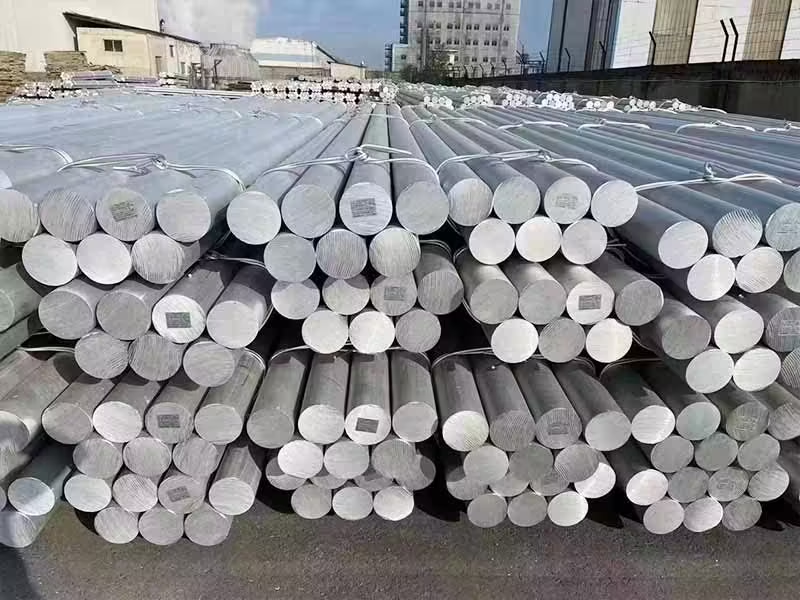
يواجه تصنيع السيارات الحديثة تحديًا مزدوجًا يتمثل في تحسين أداء السيارة مع تقليل الوزن لتلبية معايير كفاءة استهلاك الوقود والانبعاثات. يعد اختيار المواد المعدنية المناسبة أمرًا بالغ الأهمية. معادن عالية القوة وخفيفة الوزن مثل الفولاذ المتقدم عالي القوة (AHSS), تلعب سبائك الألومنيوم والمغنيسيوم دورًا رئيسيًا في تحقيق التوازن بين السلامة والمتانة والكفاءة.
تستكشف هذه المقالة اختيار هذه المعادن وخصائصها واعتبارات التصنيع والتطبيقات العملية في صناعة السيارات.
جدول المحتويات
الحاجة ل مواد عالية القوة وخفيفة الوزن
يؤدي تقليل وزن السيارة إلى تحسين كفاءة استهلاك الوقود، وتعزيز التحكم، وتقليل الانبعاثات. وفي الوقت نفسه، يجب أن تظل المركبات آمنة وموثوقة ومتينة. غالبًا ما تحقق المعادن عالية القوة وخفيفة الوزن هذا التوازن من خلال تقديم ما يلي
- قوة شد وخضوع استثنائية
- ليونة جيدة لامتصاص طاقة التصادم
- مقاومة التآكل من أجل المتانة على المدى الطويل
- التوافق مع تقنيات التشكيل والربط الحديثة
مواد شائعة عالية القوة وخفيفة الوزن
| مادة | الكثافة (جم/سم³) | قوة الشد (ميجا باسكال) | المزايا الرئيسية | تطبيقات السيارات النموذجية |
|---|---|---|---|---|
| الفولاذ المتقدم عالي القوة (AHSS) | 7.85 | 6001500 | قوة عالية، قابلية تشكيل جيدة | الجسم باللون الأبيض، إطارات هيكلية |
| سبائك الألومنيوم (على سبيل المثال، 6061، 5005) | 2.7 | 200400 | خفيف الوزن ومقاوم للتآكل | ألواح الجسم، كتل المحرك، الهيكل |
| سبائك المغنيسيوم | 1.8 | 200300 | خفيف الوزن للغاية | مكونات التوجيه، مبيتات ناقل الحركة |
| سبائك التيتانيوم | 4.5 | 900-1200 | قوية للغاية ومقاومة للتآكل | عوادم عالية الأداء، أجزاء التعليق |
يعتمد اختيار المادة المناسبة على المتطلبات الهيكلية وأداء التصادم وأهداف الوزن وقيود التكلفة.
العوامل الرئيسية في اختيار المواد
القوة مقابل الوزن
تسمح المعادن عالية القوة للمصممين بتقليل سمك المكونات مع الحفاظ على قدرة التحمل، مما يقلل الوزن الإجمالي للمركبة دون المساس بالسلامة.
قابلية التشكيل والتصنيع
غالبًا ما تتطلب مكونات السيارات الثني أو الختم أو البثق. يجب أن تحتفظ المعادن بالليونة وتتجنب التشقق أثناء عمليات التشكيل.
مقاومة التآكل
تعمل المركبات في بيئات متنوعة. تعمل المعادن المقاومة للتآكل، مثل الألومنيوم وAHSS المطلي، على تحسين المتانة وتقليل الصيانة.
التكلفة والتوافر
في حين أن التيتانيوم يوفر نسبة قوة إلى وزن لا مثيل لها، إلا أنه مكلف ومحدود التوفر. يعد تحقيق التوازن بين الأداء والتكلفة أمرًا أساسيًا في إنتاج السيارات على نطاق واسع.
الفولاذ المتقدم عالي القوة (AHSS) في السيارات
لقد أصبح AHSS هو المعيار الصناعي للمكونات الهيكلية نظرًا لمزيجه من القوة والليونة والقدرة على التصادم. تشمل الدرجات الشائعة الطور المزدوج (DP)، واللدونة الناتجة عن التحول (TRIP)، والفولاذ المارتنسيتي.
مميزات AHSS:
- امتصاص ممتاز لطاقة التصادم
- تسمح قوة الخضوع العالية بمكونات أرق وأخف وزنًا
- قابلية لحام جيدة لتجميع الجسم باللون الأبيض
وتشمل التحديات الحاجة إلى تقنيات تشكيل وربط دقيقة، مثل اللحام بالليزر أو الختم الساخن.
سبائك الألومنيوم في تطبيقات السيارات
يستخدم الألومنيوم على نطاق واسع لتقليل الوزن، خاصة في ألواح الجسم وكتل المحرك ومكونات الهيكل. يقدم:
- تخفيض الوزن بمقدار 30 بوصة و50% مقارنة بالفولاذ
- مقاومة جيدة للتآكل
- التوافق مع طرق الصب والبثق الحديثة
ومع ذلك، يتمتع الألومنيوم بقوة إجهاد أقل من الفولاذ، لذلك غالبًا ما يتم استخدامه مع الفولاذ عالي القوة في تصميمات المركبات متعددة المواد.
المغنيسيوم والتيتانيوم: الحلول المتخصصة
تتميز سبائك المغنيسيوم بخفة الوزن للغاية ولكنها ذات قوة محدودة ومقاومة للتآكل، مما يجعلها مناسبة للمكونات غير الهيكلية مثل أعمدة التوجيه أو أغلفة ناقل الحركة.
سبائك التيتانيوم قوية ومقاومة للتآكل وخفيفة الوزن، ولكن تعقيد التكلفة والتصنيع يقيد استخدامها في السيارات عالية الأداء أو الفاخرة، غالبًا في أنظمة العادم أو أجزاء التعليق.
اعتبارات الانضمام والطلاء
الانضمام إلى المعادن خفيفة الوزن يطرح تحديات:
- لحام: يتطلب الألومنيوم تقنيات لحام متخصصة؛ قد تحتاج AHSS إلى اللحام بالليزر.
- المواد اللاصقة والمثبتات الميكانيكية: غالبا ما تستخدم في التصاميم متعددة المواد.
- طلاءات السطح: تعمل المعالجات المضادة للتآكل مثل أنودة الألومنيوم أو الجلفنة للصلب على تعزيز المتانة.
تطبيقات العالم الحقيقي
- الجسم باللون الأبيض: يوفر AHSS الحماية من الاصطدام مع تقليل الوزن
- مكونات المحرك وناقل الحركة: تعمل سبائك الألومنيوم على تحسين الكفاءة وتقليل الكتلة
- أجزاء الهيكل والتعليق: أداء وتكلفة توازن الفولاذ والألمنيوم عالي القوة
- المركبات الفاخرة والأداء: يوفر التيتانيوم والمغنيسيوم توفيرًا في الوزن دون المساس بالقوة
دراسة حالة: تصميم هيكل السيارة الكهربائية
تهدف إحدى الشركات المصنعة للسيارات الكهربائية إلى تقليل وزن السيارة لتحسين كفاءة البطارية. قام المهندسون بدمج AHSS للإطار، والألمنيوم لألواح الجسم، والمغنيسيوم للمكونات الهيكلية الداخلية. وكانت النتيجة سيارة ذات وزن منخفض، ونطاق محسّن، وتقييمات عالية للسلامة من الاصطدام.
الصيانة وطول العمر
المعادن عالية القوة متينة بشكل عام، ولكن الاعتبارات الخاصة بالمواد مهمة
- قد يتطلب AHSS طبقات حماية لمنع التآكل
- قد تتطور سبائك الألومنيوم إلى أكسدة سطحية إذا لم تتم معالجتها
- يتطلب المغنيسيوم حماية دقيقة من التعرض للرطوبة
تضمن عمليات الفحص الروتينية والطلاء المناسب والاهتمام بطرق الربط الأداء على المدى الطويل.
الأسئلة الشائعة
لماذا تعتبر المعادن الخفيفة مهمة في صناعة السيارات؟
فهي تقلل من وزن السيارة، وتحسن كفاءة استهلاك الوقود، وتحافظ على السلامة والأداء.
ما هي المعادن الأكثر استخداما؟
AHSS، وسبائك الألومنيوم، والمغنيسيوم، وأحيانًا التيتانيوم، اعتمادًا على متطلبات المكونات.
هل يمكن لحام أو تشكيل المعادن عالية القوة بسهولة؟
نعم، ولكن قد تتطلب كل مادة تقنيات محددة مثل الختم الساخن، أو اللحام بالليزر، أو الربط اللاصق.
كيف يوازن المصنعون بين التكلفة والأداء؟
من خلال اختيار مجموعة من المواد بناءً على وظيفة المكون ومتطلبات الأداء وقيود الميزانية.
هل هذه المواد مناسبة للسيارات الكهربائية؟
قطعاً. تعتبر المعادن خفيفة الوزن أمرًا بالغ الأهمية في تصميم السيارات الكهربائية لتحقيق أقصى قدر من كفاءة البطارية مع ضمان السلامة من الاصطدام.
 Arabic
  English
  Korean
  Vietnamese